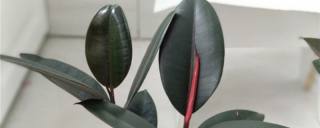
For the dedicated plant enthusiast, every aspect of care is considered, including the source of water. When it comes to your Ficus elastica (Rubber Plant), the question of tap water safety is a valid one. From the plant's perspective, the answer is nuanced. While not immediately toxic, tap water can introduce long-term stressors that affect the plant's health and appearance. Understanding these factors is key to ensuring your Ficus thrives.
Municipal water supplies are treated with disinfectants, primarily chlorine or chloramine (a combination of chlorine and ammonia), to make the water safe for human consumption. From the Ficus elastica's point of view, these chemicals are foreign compounds that can impact the soil ecosystem. Chlorine can dissipate if water is left to sit uncovered for 24 hours. However, chloramine is more stable and does not evaporate easily. These chemicals can slowly harm the beneficial microbial life in the potting mix. These microbes are crucial for breaking down nutrients and maintaining soil health. While a mature Ficus may not show immediate signs, prolonged use of chloraminated water can lead to a less resilient root environment.
Ficus elastica is notably sensitive to fluoride. Many water systems add fluoride for dental health, and it can also be naturally present in water. Plants absorb fluoride through their roots, where it accumulates. Unlike chlorine, fluoride does not evaporate. Excess fluoride interferes with enzymatic processes and can cause a condition called fluoride toxicity. The most common symptom is tip burn and marginal scorching on the leaves—the leaf edges turn brown and crispy, while the rest of the leaf may remain green. This damage is irreversible and can be mistaken for underwatering or low humidity, leading to misdiagnosis by the caregiver.
Tap water often contains dissolved minerals, primarily calcium and magnesium, which contribute to its "hardness." Over time, watering with hard water leads to a buildup of these salts in the soil. This salt accumulation can alter the soil's pH, making it more alkaline. Ficus elastica prefers a slightly acidic to neutral pH range. When the soil pH rises, the plant's ability to absorb essential nutrients, particularly iron and manganese, is hindered. This can result in chlorosis—a yellowing of the leaves, especially between the veins, while the veins themselves remain green. This nutrient deficiency weakens the plant over time, stunting its growth and reducing its vibrancy.
Your Ficus elastica will communicate its distress through physical changes. The cumulative stress of chemicals and minerals manifests as:
Leaf Tip and Margin Burn: This is the classic sign of fluoride toxicity.
Leaf Chlorosis (Yellowing): Often indicates a nutrient uptake problem caused by high soil pH from mineral buildup.
White Crust on Soil Surface: A visible sign of salt and mineral accumulation.
Stunted Growth: The plant redirects energy to surviving the stress rather than producing new, healthy leaves.
These symptoms indicate that the root system is under constant, low-grade stress, compromising the plant's overall health.
To provide the best care for your Ficus elastica, consider alternative water sources. Rainwater is ideal, as it is naturally soft and free of chemicals. Collecting it is a simple and cost-effective solution. Filtered water, such as that from a reverse osmosis (RO) system or a filter designed to remove fluoride and chlorine, is an excellent alternative. If tap water is your only option, letting it sit overnight will help dissipate chlorine (but not chloramine or fluoride) and allow it to reach room temperature, preventing root shock from cold water. Periodically leaching the soil by thoroughly flushing it with a large volume of water can help wash away accumulated salts; ensure the pot has excellent drainage.