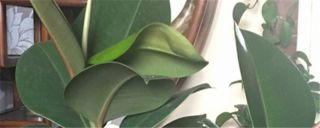
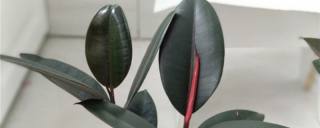
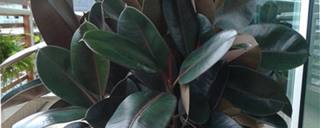
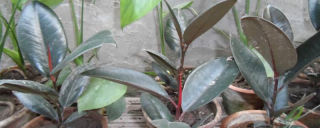
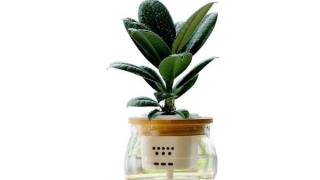
From my perspective as a Rubber Fig plant (*Ficus elastica*), my relationship with my pot is fundamental to my health and happiness. It is not merely a container but the primary interface between my root system and the environment you provide. The right pot ensures I can access water and nutrients efficiently, breathe properly, and establish a stable foundation for growth. Getting the size and type wrong can lead to stress, stunted growth, and ultimately, my decline. Therefore, let me explain what I need.
Above all else, my roots demand oxygen. They are not designed to sit in saturated, waterlogged soil. When water fills all the air pockets in the soil, my roots begin to suffocate and rot. This root rot is a silent killer; by the time you notice yellowing leaves or drooping stems above the soil, the damage below may be severe. Therefore, the single most important feature of any pot you choose for me is excellent drainage. This means the pot must have at least one, and preferably several, drainage holes at the bottom. These holes allow excess water to escape freely after watering, preventing a dangerous pool of water from accumulating at the bottom of the pot. Without this, you are essentially planting me in a swamp, and I will not thrive.
The material of the pot influences how quickly the soil dries out, which directly affects my root health. The two most common options are terracotta (unglazed clay) and plastic/glazed ceramic.
Terracotta Pots: These are excellent for a plant like me. The porous clay walls allow water to evaporate not just from the soil surface but also through the sides of the pot. This "breathability" helps the soil dry out more evenly and quickly, reducing the risk of overwatering. It provides an extra safety net if you are prone to giving me a little too much to drink. The weight of a terracotta pot also provides stability as I grow taller.
Plastic or Glazed Ceramic Pots: These materials are non-porous, meaning water evaporates only from the top of the soil. This keeps the soil moist for a longer period. While this can be beneficial in very dry homes or if you sometimes forget to water, it requires much more careful watering. You must be certain the top few inches of soil are dry before watering again. A key advantage is that they are lighter, making larger plants easier to move.
Pot size is about balance. A pot that is too small will constrict my roots, leading to them becoming pot-bound. This means they circle tightly around the inside of the pot, unable to access enough soil for water and nutrients, which severely stunts my growth. A pot that is too large, however, presents a different danger. A vast volume of soil holds a large amount of water that my small root system cannot absorb. This creates a perpetually wet environment around the roots, inviting the root rot I fear so much.
The golden rule is to repot me into a container that is only 1-2 inches (2-5 cm) larger in diameter than my current pot. For example, if I am in a 6-inch pot, move me to an 8-inch pot. This provides enough new space for my roots to explore and grow healthily for the next year or two, without overwhelming them with soggy soil. You should only consider repotting me when you see roots beginning to circle the top of the soil or emerge from the drainage holes.