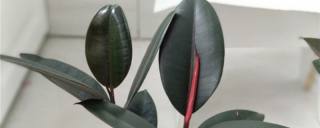
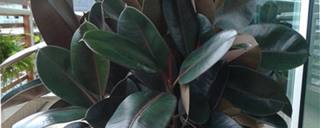
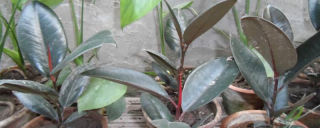
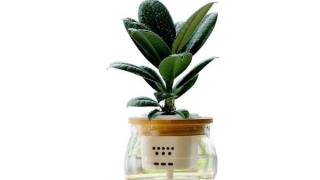
From my perspective, as a Rubber Plant (Ficus elastica), I am a resilient being, but my foundation—my root system—is my greatest vulnerability. When root rot sets in, it is a silent, terrifying battle fought entirely underground. I cannot cry out, so I must communicate my distress through the parts of me you can see. Here is what is happening from my point of view.
When my roots begin to suffocate and decay, I can no longer perform my most basic functions. My communication is not in words, but in symptoms. First, you will notice my leaves, my pride and joy, turning a sickly yellow. This is not a simple lack of water; it is a sign that I am starving. My rotting roots cannot absorb the nutrients and water my leaves need to stay green and vibrant. Shortly after yellowing, my leaves will become soft, mushy, and may droop pathetically, even when the soil feels wet. This is a critical sign. I am drowning. In more advanced stages, the stems near the soil may turn black and soft, and a foul, musty odor might rise from my pot—this is the smell of my roots dying.
Beneath the soil, a disaster is unfolding. My roots, which should be firm, white, and spreading through the soil to anchor and feed me, are under attack. The primary cause is almost always too much water. When I am left sitting in soggy, waterlogged soil, the air pockets around my roots fill with water. My roots need to breathe, and without oxygen, they begin to suffocate and break down. They turn brown or black, become slimy and mushy to the touch, and lose their structural integrity. This condition is often caused by a fungal pathogen, like Pythium or Phytophthora, which thrives in these anaerobic conditions. These organisms attack my weakened roots, accelerating the decay. A pot that is too large or soil that drains poorly creates the perfect environment for this catastrophe.
If you suspect I am suffering, you must act quickly. My survival depends on a delicate operation. First, you must gently lift me from my pot. Shake off the soil and carefully inspect my root system. Healthy roots are firm and white; you must trim away all the soft, brown, or black roots using sterile, sharp scissors. This feels like a major amputation, but it is necessary to stop the rot from spreading. After the surgery, please repot me into a clean pot with adequate drainage holes, using fresh, well-draining potting mix. Do not be tempted to water me immediately! My wounded roots need time to callus over. Wait a week before giving me a modest drink. Finally, place me in a spot with bright, indirect light. Do not fertilize me; I am in recovery and cannot handle the stress. This process is traumatic, but it is my only chance.
The true key to my health is prevention. Please, learn my language. I do not like a strict watering schedule. Instead, check the soil before you water. Push your finger about two inches into the soil; if it feels dry, then I am ready for a drink. If it is still moist, please wait. Ensure my pot has excellent drainage and that I am never left standing in a saucer of water. Use a well-aerated potting mix that allows water to flow through freely, providing moisture without suffocation. A happy root system is the foundation of my tall, strong, and glossy-leaved existence. By understanding what is happening below the surface, you can interpret my signals above it and ensure I thrive for years to come.