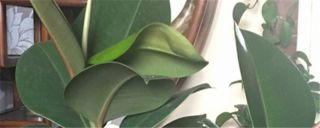
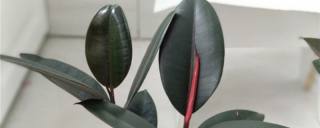
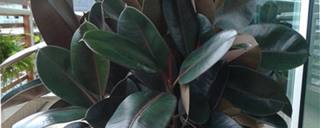
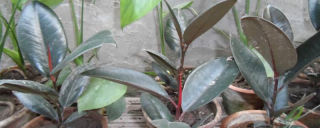
From my perspective as a tall rubber tree plant (Ficus elastica), the need for support is deeply rooted in my biology. In my natural habitat, the tropical forests of Southeast Asia, I am an epiphyte in my youth. This means I begin my life by germinating high in the canopy on another tree. My initial goal is to send roots downwards, not just into a small pot of soil, but through the humid air to reach the ground. Simultaneously, I grow upwards, competing for precious sunlight. I am, by nature, a climber. In your home, the flat, dry surface of a wall offers nothing for my aerial roots to grasp. Without the support I instinctively seek, my heavy, woody stem may begin to lean, bend, or even risk breaking under its own weight. A moss pole is not just a stick; it is a recreation of the tree trunk I evolved to climb.
You might wonder why a simple stake isn't sufficient. The key difference lies in the surface. A smooth wooden or bamboo stake is a physical prop, but it doesn't engage with my physiology. A moss pole, however, is different. Its core is typically wrapped in sphagnum moss, which can be kept moist. This damp, textured surface is an irresistible invitation to my aerial roots. These roots, which might otherwise hang limply in the air or dry up, will sense the humidity and roughness of the pole. They will actively grow towards it and eventually attach themselves, just as they would to a jungle tree. This attachment is a symbiotic relationship between me and the pole; it provides me with structural integrity and a familiar, supportive surface, and in return, my roots help stabilize the entire structure. This secure anchor point allows me to grow taller and stronger with confidence.
The method of introducing me to the moss pole is crucial. Forcing or causing damage will only create stress. The best time to do this is during my active growing season, in spring or summer, when I am most resilient. First, you must position the pole securely in the pot, close to my main stem, taking care not to severely damage my root system in the soil. Do not pull my stem tightly against the pole. Instead, use soft, flexible plant ties or strips of cloth to make loose loops that connect me to the pole. The connection should be supportive but not constricting, allowing for natural slight movement and, most importantly, room for my stem to thicken as I grow. The goal is to guide me, not to strap me down tightly. This gentle encouragement gives my aerial roots the time and space they need to find their own way to the moss pole.
Your support does not end once the pole is in place. To truly encourage a strong bond, you must maintain the moss pole's primary attraction: moisture. Regularly misting the pole is essential. When you water me, you should also water the top of the moss pole, allowing the water to trickle down and dampen the entire column. This consistent humidity mimics the rainy, humid conditions of my native forest and signals to my aerial roots that the pole is a viable and beneficial surface to attach to. Over time, you will notice small, reddish nubs appearing along my stem, facing the pole. These will develop into roots that will cling to the moss. As I continue to grow taller, you may need to extend the pole or adjust the ties to support my new growth, ensuring I remain upright and stable throughout my life indoors.