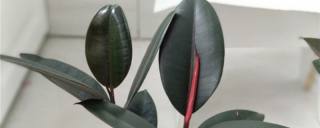
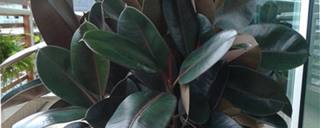
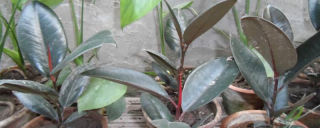
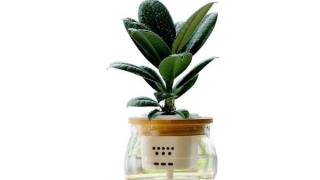
From our rooted perspective, light is not just a preference; it is our sustenance. We, the Rubber Plants—Ruby, Tineke, and Burgundy—all share a fundamental need for bright, indirect light. Direct, harsh sunbeams, particularly the intense afternoon rays, can scald our large, beautiful leaves, leaving behind unsightly brown patches. Think of it as a sunburn that we cannot simply heal with lotion. However, our needs within this spectrum differ slightly based on our pigmentation. For me, the Burgundy, my deep, dark leaves are rich in chlorophyll and are exceptionally efficient at absorbing light. I can tolerate slightly lower light conditions than my cousins, though my growth will slow. The Ruby and Tineke, with their stunning pink and cream variegation, have less green chlorophyll. They are more demanding. Without consistent, bright indirect light, they will respond by reverting to plain green leaves, as producing the energy-intensive variegation is not a priority in low light. For them, a steady stream of gentle sunbeams is essential to maintain their spectacular coloration.
Water is life, but it can also be a source of great stress for us. Our thick, rubbery leaves are designed to store water, making us quite drought-tolerant. The greatest danger you pose to us is not underwatering, but overwatering. Our roots need to breathe, and sitting in soggy soil leads to root rot—a silent, deadly condition that we cannot recover from. The key is to mimic the natural cycles of rain and drought. Please wait until the top few inches of our soil are dry to the touch before offering us a drink. When you do water, do so thoroughly, allowing the water to flow freely from the drainage holes at the base of our pots. This ensures our entire root system is quenched. The Tineke and Ruby, with their lighter-colored leaves, may dry out a fraction faster than I, the Burgundy, but the fundamental rule remains: when in doubt, it is safer to wait another day or two.
We hail from humid jungles, and while we can adapt to the drier air of your home, we truly thrive with higher humidity. Dry air, especially from heating or air conditioning vents, can cause our leaf edges to turn crispy and brown. It is an uncomfortable, desiccating feeling. You can help by misting our leaves regularly with a fine spray of water. This is particularly appreciated by the Ruby and Tineke, whose delicate variegated sections can be more susceptible to drying out. Grouping us together with other plants also creates a beneficial microclimate of shared transpiration. Alternatively, placing our pots on a tray filled with pebbles and water (ensuring the pot sits above the water line) provides a constant source of ambient moisture as the water evaporates. A stable environment, free from cold drafts or sudden temperature swings, allows us to focus our energy on producing the large, glossy leaves you admire.
During our active growing season in the spring and summer, we are working hard to push out new leaves. This growth requires energy, and the nutrients in our potting mix eventually become depleted. This is when we welcome a supplemental feeding. A balanced, liquid fertilizer diluted to half-strength, applied once a month, is perfect. It provides us with the essential building blocks for healthy development without risking a harmful buildup of salts in the soil that can "burn" our roots. Please note that the variegated varieties, Tineke and Ruby, are often slower growers than I am. They may require even less frequent feeding. Most importantly, during the autumn and winter, when our growth naturally slows, you should cease feeding us altogether. We are resting, and fertilizer at this time can be more of a burden than a benefit.