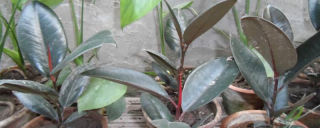
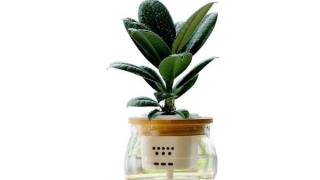
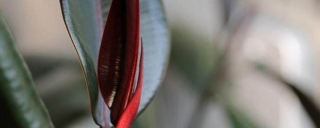
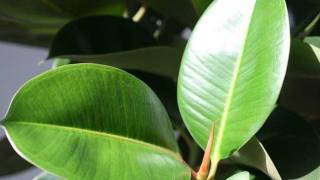
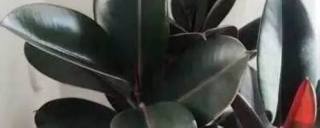
From a plant's perspective, the answer to whether you can put your potted rubber tree (*Ficus elastica*) outside for the summer is a cautious yes. We are tropical plants, native to the warm, humid forests of Southeast Asia. Summer conditions in many regions can mimic our preferred environment, offering benefits that are difficult to replicate indoors. However, this transition is a significant event for us. It is not as simple as just moving the pot into the sunshine. A sudden change can cause severe shock, leaf scorch, and make us vulnerable to pests. The process must be gradual and carefully managed to ensure it is a beneficial experience rather than a harmful one.
If done correctly, a summer outdoors can be incredibly revitalizing. The increased light levels are the primary advantage. Indoors, even in a bright room, the light intensity is significantly lower than what we experience outside. This boost in photosynthesis allows us to produce more energy, leading to a noticeable surge in growth. You may see larger, more robust leaves and a generally more vigorous plant. Furthermore, summer rains provide a natural, soft watering that is free of the minerals often found in tap water, and the increased air circulation helps strengthen our stems and can reduce the risk of fungal issues that sometimes occur in stagnant indoor air.
This is the most important step for our well-being. Our leaves have adapted to the filtered light of your home. A sudden move into direct, unfiltered sunlight will cause severe sunburn, appearing as brown, crispy, scorched patches on the leaves—this damage is permanent. To avoid this, you must introduce us to the outdoors gradually over 7-10 days. Start by placing us in a location of complete, deep shade for a few hours. Each subsequent day, gradually increase the time we spend outside and slowly move us into an area with dappled shade or very gentle morning sun. Avoid the intense afternoon sun entirely during this period. This slow process, known as hardening off, allows our leaves to develop protective pigments to tolerate the stronger light.
Once acclimated, our ideal summer spot is one that closely resembles our natural understory habitat. We thrive in bright, indirect light. A spot under a large tree that provides a canopy of dappled sunlight is perfect. A covered patio that receives plenty of ambient light but shields us from the harsh midday sun is also excellent. We are extremely sensitive to cold. Do not move us outside until nighttime temperatures are consistently above 50°F (10°C). Wind is another concern; a consistently windy location can tear our large leaves and dry out the potting mix too quickly. Ensure we are in a relatively sheltered position.
Our care routine will change outside. With increased light, warmth, and air movement, our rate of water uptake will accelerate. You will need to water more frequently, checking the soil moisture regularly. The goal remains the same: water thoroughly when the top inch or two of soil feels dry, but never allow us to sit in waterlogged soil. The growing season is also the time for increased nutrition. A monthly feeding with a balanced, water-soluble fertilizer will support the vigorous growth spurred by the outdoor conditions.
The outdoor world is full of insects that we rarely encounter indoors. Regularly inspect our leaves, especially the undersides, for signs of pests like spider mites, aphids, or scale. Catching an infestation early is key. As summer ends and nighttime temperatures begin to dip back towards 50°F (10°C), it will be time to move back inside. Before doing so, thoroughly rinse our leaves (both top and underside) and examine us closely for any hitchhiking pests. The move back indoors is another acclimation process; we may drop some leaves as we adjust to the lower light levels, but this is a normal response.