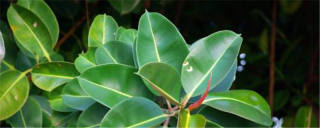
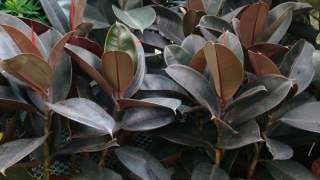
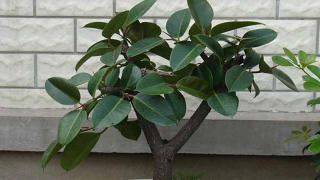
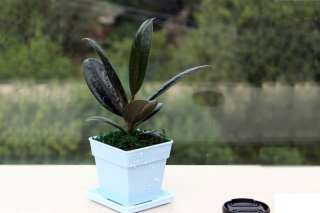
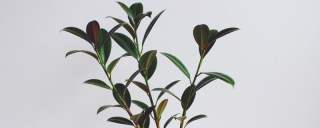
As a rubber tree (Ficus elastica), I am a resilient and popular houseplant, originally hailing from the warm, humid tropics of Southeast Asia. While I can adapt to less-than-perfect conditions, providing me with an environment that mimics my natural habitat is the key to unlocking my full potential. This means lush, large, glossy leaves and vigorous, healthy growth. The two most critical factors for my well-being are temperature and humidity. Getting these right will prevent many common issues and keep me thriving for years to come.
My metabolism is directly linked to temperature. I prefer a consistently warm environment, much like the one I evolved in. The sweet spot for my growth is between 18°C and 29°C (65°F and 85°F). Within this range, my photosynthetic processes are most efficient, allowing me to convert light into energy effectively and produce new leaves. I am particularly sensitive to sudden temperature shifts. Drafts from doors, windows, or air conditioning vents can cause me significant stress, often leading to leaf drop. Similarly, placing me too close to a radiator or fireplace creates an artificially hot and dry spot that can scorch my leaves and dehydrate me rapidly.
It is crucial to understand that I do not tolerate cold. Temperatures below 12°C (55°F) are dangerous for me. When I'm exposed to cold, my cellular activity slows down, and I can suffer from cold damage. This manifests as black or brown spots on the leaves, wilting, and ultimately, leaf loss. Prolonged exposure to cold can be fatal. Therefore, during winter months, ensure I am kept away from drafty windows and unheated rooms.
Humidity, the amount of water vapor in the air, is just as important as temperature for me. In my native jungle environment, the air is consistently moist. As a plant, I respire and lose water through tiny pores on my leaves called stomata. When the air in your home is dry (especially during winter when heating systems are running), the rate of water loss from my leaves increases dramatically. This forces my roots to work harder to supply water, and if they can't keep up, my leaves will respond. You will see the signs as brown, crispy leaf edges and sometimes yellowing.
I thrive in a humidity level of 40% to 60%. While I can survive in lower humidity, I will not look my best. To increase humidity around me, you can employ several techniques. Grouping me with other plants is effective, as we collectively release moisture into the air through transpiration. Placing my pot on a pebble tray filled with water (ensuring the pot sits above the water line) creates a localized humid microclimate as the water evaporates. For the most significant results, especially in very dry homes, using a room humidifier is the best method to provide the consistent humidity I crave. Misting my leaves can offer a temporary boost, but its effects are short-lived.
Temperature and humidity are intrinsically linked. Warmer air can hold more moisture. This means that if the temperature in my environment rises towards the upper end of my preferred range (say, above 26°C or 80°F), the need for higher humidity becomes even more critical. In a hot and dry condition, I will lose water so quickly that my roots cannot compensate, leading to severe stress. Conversely, if temperatures are at the cooler end of my range, I can tolerate slightly lower humidity levels because the rate of transpiration is slower. The goal is to avoid the combination of high heat and low humidity at all costs, as this is the most stressful condition for me.