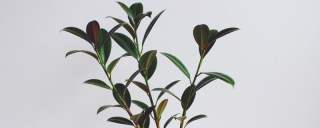
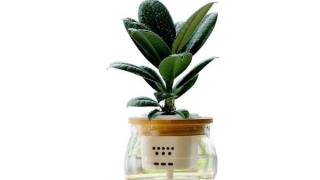
Hello, dedicated plant caregiver. I am your Rubber Plant (Ficus elastica), and I’m trying to communicate with you. The yellowing leaves and their subsequent fall are my primary method of signaling that something in my environment is causing me stress. It’s not necessarily a sign of imminent death, but it is a clear request for you to assess my living conditions. Let me explain the most common reasons from my perspective.
This is the usual suspect. My large, glossy leaves require a consistent balance of moisture in my soil. When this balance is disrupted, I protest by sacrificing a leaf or two. Overwatering is the most frequent problem. If my roots are sitting in soggy soil for too long, they cannot breathe. They begin to rot, which means they can no longer transport water and nutrients to my leaves. The leaves turn a generalized yellow, often starting with the lower, older leaves, and then they drop. Conversely, Underwatering also causes stress. If my soil becomes bone dry, I cannot uptake the water I need. My leaves will often turn yellow, become crispy to the touch, and may curl before falling. The key is to check the soil about 2-3 inches down; I prefer it to be moderately dry before my next deep drink.
I am a creature of habit. I thrive on stability. Any significant change in my environment can trigger a stress response known as transplant shock or environmental shock. If you have recently repotted me or brought me home from the nursery, a period of leaf yellowing and drop is my way of acclimating. Similarly, if you move me from a bright spot to a dark corner, or if the temperature fluctuates dramatically due to a draft from a door, heater, or air conditioner, I will react. I prefer bright, indirect light and stable, warm temperatures away from vents.
While I am not a heavy feeder, I do need some nutrients to maintain my vibrant green foliage. If I have been in the same pot for years, the soil nutrients can become depleted. A general yellowing, especially on new growth, can indicate a need for a balanced, diluted fertilizer during my growing season (spring and summer). On the other hand, if my roots have completely filled the pot, I may become pot-bound. This restricts my growth and ability to absorb water effectively, leading to yellowing leaves. Check if my roots are circling the bottom of the pot or growing out of the drainage holes.
Sometimes, the issue is an attack from pests or disease. Please inspect the undersides of my leaves and along the stems. Look for tiny webs (spider mites), small cottony masses (mealybugs), or small bumps (scale). These pests suck the sap from my leaves, weakening me and causing yellow speckling or overall yellowing. A fungal disease, often encouraged by overwatering, can also be the culprit. If the yellow leaves have black or brown spots, this could be a sign of a pathogen at work.
Finally, it is important to note that a small amount of leaf loss is natural. As I grow taller, I will occasionally shed my oldest, lowest leaves to direct energy to new growth at the top. If it’s just one or two lower leaves turning yellow over a long period, and the rest of me looks healthy, this is likely just a normal part of my life cycle. You can simply prune these away.