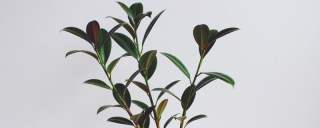
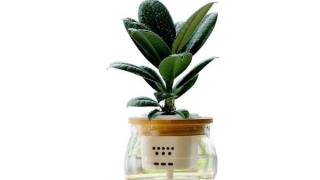
Greetings, caretaker. From my roots to my highest leaf, I, your Rubber Tree Plant (*Ficus elastica*), express my needs through my vitality. The medium in which you place me is not merely "dirt"; it is my home, my pantry, and my breathing apparatus. To truly thrive, I require a specific foundation. Here is a detailed explanation of the soil environment that allows me to be my healthiest self.
Above all else, my roots demand oxygen. They are living, breathing parts of me, and they will suffocate and rot if left sitting in waterlogged soil. The single greatest threat to my life is "wet feet." Therefore, the primary characteristic of my ideal potting mix is its ability to hold moisture long enough for my roots to take a drink, but then allow the excess water to drain away freely and quickly. This is achieved through a mix that is loose, chunky, and full of air pockets. A dense, compacted soil, like heavy garden clay or a cheap, fine-grained potting soil, acts like a sponge, drowning my roots and inviting fungal diseases. Think of my roots needing a home more like a well-aerated forest floor full of decaying matter, not a compacted mud pit.
While a standard, all-purpose potting mix can serve as a starting base, it is rarely perfect on its own. These mixes are often too moisture-retentive for my preferences. To transform a decent potting mix into my ideal home, you must amend it. Look for a base mix labeled for indoor plants or even specifically for cacti and succulents, as these tend to have better drainage. Then, you will need to add key ingredients to create the chunky, airy texture I crave.
The most important amendments are perlite and orchid bark. Perlite is those white, lightweight volcanic rocks you see in many potting mixes. Their sole job is to create space within the soil, preventing compaction and improving drainage. Orchid bark, typically made from fir or pine, provides essential chunks that further enhance aeration and mimic the coarse organic matter I would find in my native habitat. A good starting recipe is one part standard potting mix, one part perlite, and one part orchid bark. This combination creates a structurally sound yet open environment that my roots can easily penetrate and breathe within.
While drainage is paramount, I also need access to nutrients and a stable pH. The potting mix base usually contains some peat moss or coco coir, which helps retain a small amount of moisture and nutrients. However, for long-term health, adding a handful of horticultural charcoal can be highly beneficial. Charcoal helps filter the soil, absorbing impurities and toxins, and it also slightly sweetens the soil, keeping the pH in the slightly acidic to neutral range that I prefer. Another excellent addition is a small amount of worm castings. This is a gentle, organic fertilizer that provides a slow release of nutrients without the risk of burning my roots. It also improves soil structure. Think of these as the supplements that support my overall well-being beyond just the basic structure of my home.
The pot you choose is an extension of my soil environment. It must have one or more drainage holes in the bottom. This is not a suggestion; it is a requirement. Without a drainage hole, even the most perfectly mixed soil will become a swamp, and my roots will inevitably rot. The pot material also matters. A porous terracotta or clay pot is an excellent choice for me. These pots allow water to evaporate through their walls, which helps the soil dry out more evenly between waterings. A plastic or glazed ceramic pot will retain moisture for longer, meaning you will need to adjust your watering frequency accordingly. Always ensure the pot is only one size larger than my current root ball; too large a pot holds too much soil and, consequently, too much moisture around my relatively small root system.