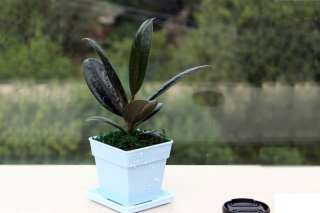
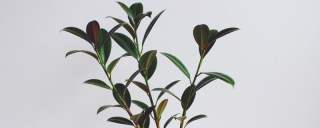
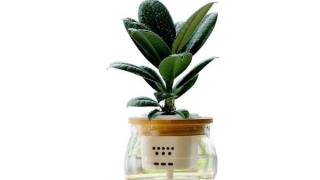
As a Ficus elastica, my relationship with light is fundamental to my existence. It is not merely a preference but the very currency of my life. The right amount of sunlight dictates my health, my growth, and my vibrant appearance. To understand my needs, you must see the world from my perspective, through my leaves.
For me, light is food. My beautiful, broad, glossy leaves are not just for show; they are sophisticated solar panels. Within them, tiny organelles called chloroplasts contain chlorophyll, the pigment that gives me my green color. When photons of light strike these chloroplasts, they power the miraculous process of photosynthesis. In simple terms, I use light energy to convert carbon dioxide from the air and water from my roots into glucose—sugar that fuels all my activities. This glucose allows me to grow new leaves, strengthen my stems, expand my root system, and repair any damage. Without adequate light, this factory slows down, and I begin to starve.
In my native habitat, the warm, humid understory of Southeast Asian forests, I am accustomed to dappled sunlight. The tall canopy trees filter the intense, direct rays of the sun, creating a environment of bright but indirect light. This is precisely what I crave in your home. A spot near an east-facing window is often perfect, bathing me in the gentle morning sun. A north-facing window can also be suitable if it is bright enough. A south or west-facing window can provide excellent light, but I must be shielded from the harsh, direct afternoon sun, perhaps by a sheer curtain or by being placed a few feet back from the glass. Direct, scorching sun will literally cook my leaves, causing unsightly brown, crispy scorch marks.
When I am placed in a dark corner, far from any window, I suffer quietly but significantly. My photosynthetic processes grind to a near halt. My first response is to conserve energy. I will stop producing new growth entirely. Then, you may notice my stems becoming long, thin, and stretched, as I desperately reach for any available light source—a condition you call "etiolation." My variegated cultivars, like the Ficus elastica 'Tineke' or 'Ruby', will lose their beautiful cream and pink hues, reverting to a dull, solid green because producing chlorophyll becomes a higher priority than maintaining variegation without sufficient light. Most dangerously, the soil will stay wet for too long, as I am not using the water, which can lead to root rot, a potentially fatal condition.
You can easily read my comfort level by observing my leaves. When I am receiving the right amount of light, my leaves will be firm, glossy, and richly colored. I will produce new, healthy leaves at a steady, moderate pace, often with a striking reddish sheath that gradually dries and falls away. If my leaves are pale, small, and spaced far apart on the stem, I am pleading for more light. Conversely, if you see bleached, washed-out spots or crispy brown patches, especially on the sides facing the window, I am receiving too much direct sun and need to be moved to a slightly shadier location immediately. A little seasonal movement may be necessary, as the angle and intensity of the sun change throughout the year.