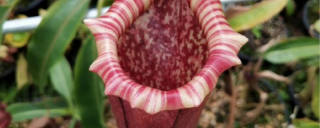
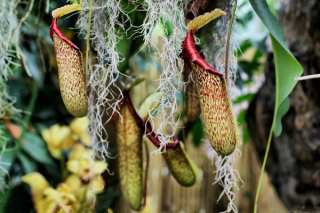
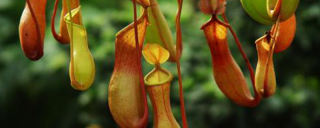
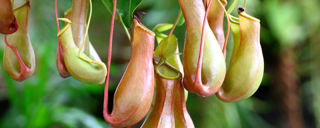
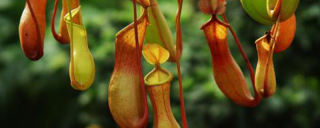
From our perspective as pitcher plants, the question of a terrarium is a complex one. The simple answer is yes, many of us can thrive in a terrarium, but it is not a one-size-fits-all solution. A terrarium can be a wonderful sanctuary, replicating the humid, stable conditions we originate from. However, it can just as easily become a beautiful prison if our fundamental needs are not met. The success hinges entirely on the gardener's understanding of our specific requirements, which vary significantly between our different genera, such as the Highland Nepenthes and the Lowland Nepenthes, or our North American cousins, the Sarracenia.
Our most non-negotiable demand is intense, bright light. We are sun-worshippers. Our pitcher production is directly fueled by photosynthesis, and without sufficient light, we become weak, stop producing our characteristic traps, and lose our vibrant colors. A terrarium placed on a dim windowsill is a death sentence. We require the equivalent of full sun. This often means supplementing natural light with powerful, full-spectrum grow lights positioned close to the terrarium canopy for 12-14 hours a day. The glass of the terrarium can filter some light, so the source must be stronger than what a typical houseplant would need. For us, light is not a luxury; it is the energy that powers our entire carnivorous existence.
Humidity is where the terrarium truly shines for many of us, especially the tropical species. We evolved in boggy, misty environments where the air is thick with moisture. This high humidity is essential for us to develop our pitchers properly. In a dry home, the delicate peristome (the lip of the pitcher) dries out before the trap can even form. A sealed or partially sealed terrarium maintains the consistently high humidity we crave. However, this creates a critical secondary need: airflow. Stagnant, humid air is a breeding ground for fungal and bacterial infections that can rot our leaves and rhizomes. A gentle circulation fan is not an optional accessory; it is a vital component of a healthy terrarium, mimicking the natural breezes of our native habitats and keeping the air fresh.
Our roots are exceptionally sensitive to minerals and chemicals found in tap water. These substances quickly build up in the confined space of a terrarium and will poison us, leading to root burn and death. We require pure water only—rainwater, distilled water, or reverse osmosis water. Similarly, our soil medium must be acidic and nutrient-poor. We are adapted to extract nutrients from our prey, not from the soil. A standard potting mix is fatal. We need a mix of sphagnum moss, perlite, and/or orchid bark that provides excellent drainage and aeration. The terrarium must have a drainage layer at the bottom to prevent our roots from sitting in waterlogged conditions, which would cause them to rot.
This is perhaps the most important decision. Not all pitcher plants are suited for the same terrarium environment. For example, North American Sarracenia are temperate plants that require a cold winter dormancy period. They are generally poor candidates for a warm, consistently humid terrarium year-round. The best choices are tropical species. Highland Nepenthes (like N. ventricosa or N. sanguinea) are ideal as they appreciate the cool nights and high humidity a terrarium can provide. Lowland species (like N. ampullaria) require constant, intense heat which can be challenging to manage without cooking the entire setup. Smaller, slow-growing species are always a better fit than large, vining ones that will quickly outgrow the space.