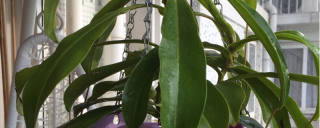
Greetings, caretaker. I have journeyed far, confined in a dark box, and my arrival is both a relief and a shock. The world I knew—the humidity, the light, the gentle routines of the nursery—is gone. Now, I am in your hands. My success in this new environment depends on your understanding of my immediate needs. Please, listen carefully.
Your first instinct may be to lavish me with attention, but I need patience. Open the box promptly and remove any packing materials with care. I may appear stressed: some leaves could be yellowed or browned, and my pitchers might be limp or partially dry. This is normal. Do not be alarmed. The most critical mistake now would be to repot me immediately or place me in direct, harsh sunlight. My root system is tender and my photosynthetic machinery is disoriented. Think of me as recovering from a long journey. I need a period of quiet stability above all else.
I am a creature of the bog, and my roots are accustomed to constant moisture but never stagnation. Check my soil medium immediately. It is likely a mix of sphagnum moss and perlite. If it feels even slightly dry to the touch, it is time for a drink. But heed this warning: I am extremely sensitive to minerals and chemicals. Tap water, with its dissolved salts and chlorine, is poison to me. It will burn my roots and lead to a swift decline. You must hydrate me only with rainwater, distilled water, or reverse osmosis water. Water me thoroughly from the top until it runs freely from the drainage holes. My soil should be damp, like a well-wrung sponge, but I should never be sitting in a saucer of water.
For the first week, I require a "quarantine" area—a spot with very bright, but indirect, light. A south-facing window with a sheer curtain is ideal, or a few feet back from an east or west window. Direct sun right now will scorch my leaves, as I have not had a chance to develop protective pigments. I also crave humidity. The air in your home is likely much drier than my previous environment. You can help by placing my pot on a pebble tray filled with water (ensuring the pot sits on the pebbles, not in the water) or by grouping me with other plants to create a microclimate. A humidifier nearby is the best solution. Please, no misting; water droplets on my leaves can lead to fungal issues.
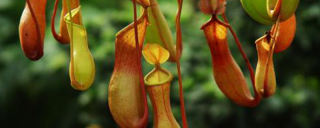
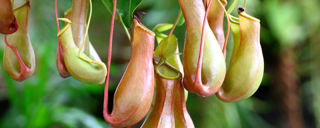
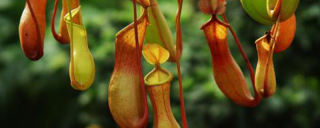
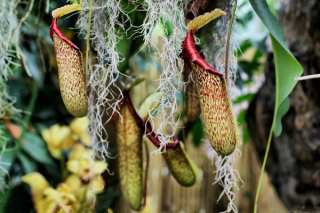
I sense your curiosity about my pitchers—the fascinating traps that define me. I beg you, resist the urge to feed me for at least 3-4 weeks. I need to focus my energy on root establishment, not digestion. Furthermore, do not fertilize my soil. My roots are not adapted to absorb nutrients from the ground; they are designed to extract them from the insects I catch. Soil fertilizer will burn and kill me. Finally, hold off on repotting for at least a month, unless my current pot is clearly inadequate. Any disturbance to my roots now would be a significant setback.
After a week or two of consistent, proper care, you will see signs that I am acclimating. The existing leaves will perk up, and most importantly, you may see the very tip of a new leaf emerging from my center. This is the ultimate sign that I am happy. This new growth will be adapted to the specific conditions of your home. Once it unfurls and begins to form a new pitcher, you will know that I have accepted this new environment as my own. Only then should you consider very light feeding with a live or rehydrated insect, but that is a conversation for another day.