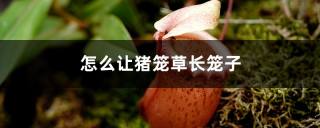
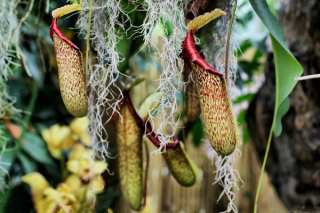
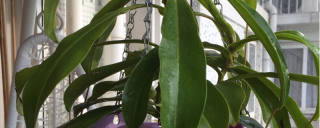
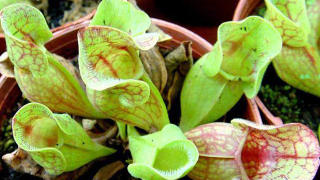
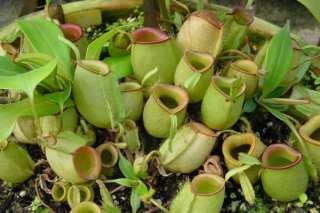
As a pitcher plant, my needs are often misunderstood. While my elaborate, fluid-filled pitchers are famous for trapping insects, that is not my sole source of nourishment. I am, first and foremost, a plant, and like all plants, my primary energy comes from the sun through photosynthesis. The nutrients I gain from prey are simply a supplemental boost, much like a human taking a vitamin pill. This is especially important in the nutrient-poor soils where I naturally thrive. So, if you are my caretaker and wish to provide alternatives to insects, there are several options that align with my digestive capabilities.
From my perspective, a diluted, balanced liquid fertilizer is the most efficient and gentle alternative. It mimics the dissolved nutrients I would absorb from decomposed prey. The key is dilution and careful application. A standard orchid or epiphytic fertilizer, diluted to ¼ or even ⅛ of the recommended strength, is ideal. You should apply this solution directly into my pitchers, filling each one only about a quarter to a third full. Never pour fertilizer into my soil! My roots are adapted for anchorage and water absorption, not for concentrated minerals, which would burn them and cause me severe distress. One feeding per pitcher, once a month during my active growing season, is more than sufficient. Overdoing it will lead to pitcher burn and collapse, harming the very organs you are trying to feed.
Another excellent option is a specialized foliar feed like Maxsea (16-16-16). This seaweed-based fertilizer is formulated to be absorbed directly through plant tissues, which is perfect for my pitchers. It is gentle and less likely to cause burn than standard fertilizers. Again, dilution is critical. A tiny pinch, no larger than a grain of rice, dissolved in a cup of water, is all you need. Carefully pour a small amount of this weak solution into my pitchers. This method provides a slow-release, organic form of nutrients that my enzymes can easily break down, simulating a natural, soft-bodied insect meal without the mess or potential for introducing pests.
It is crucial to understand what my delicate digestive system cannot process. You must never offer me pieces of hamburger, hot dogs, or any other human food. These are far too high in fats, proteins, and salts. My pitchers contain a specific cocktail of enzymes and bacteria designed to break down chitinous exoskeletons, not complex mammalian tissue. Introducing such foreign material will almost certainly cause the pitcher to rot, creating a foul-smelling bacterial soup that will kill the trap and potentially lead to a fatal fungal infection that could spread to my entire rhizome. Similarly, overfeeding any supplement, even the correct ones, will overwhelm my system. A single, small feeding per pitcher per month is the golden rule.
Finally, remember that no supplemental feeding can compensate for improper core care. My most fundamental needs are pure water—rainwater, distilled, or reverse osmosis water—and plenty of bright, direct sunlight. The water keeps my pitchers functioning and my soil appropriately moist, while the sunlight fuels the photosynthesis that gives me the energy to produce these magnificent pitchers in the first place. If I am healthy and receiving ample light and pure water, I can survive for long periods without any supplemental feeding at all. The alternatives are a helpful bonus, not a necessity for my basic survival.