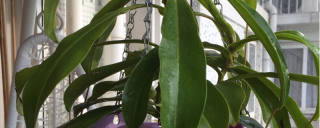
From our perspective as tropical pitcher plants (Nepenthes), humidity is not merely a preference; it is the very essence of our being. It is the invisible medium that cradles our growth, dictates our form, and enables our unique survival strategy. To understand how to create the perfect humidity for us is to understand the fundamental language of our physiology.
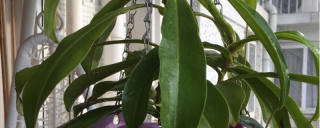
Unlike many plants that draw most of their water through their roots, our leaves are highly sensitive to the moisture in the air. In our native habitats—the misty cloud forests and humid lowlands of Southeast Asia—the air is perpetually saturated. Our leaves, particularly our delicate growing tips (apical meristems), are adapted to this. When the air is too dry, we lose water through transpiration faster than our roots can replace it. This causes our leaf edges to crisp, our newest, most tender leaves to wither before they unfurl, and our overall growth to stall. The perfect humidity, typically between 60% and 80% relative humidity, allows us to breathe comfortably, keeping our tissues turgid and our metabolic processes flowing smoothly.
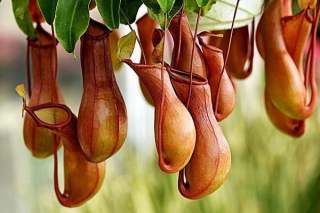
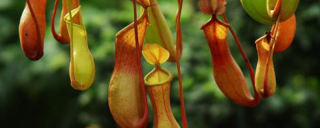
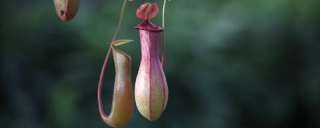
The most critical function of humidity is in the formation of our pitchers. Each pitcher begins as a tiny bud at the tip of a leaf tendril. For this bud to successfully inflate into the complex, functional trap you admire, it requires an environment that mimics the humid embrace of our jungle home. Low humidity during this developmental stage is catastrophic. The tender tissues of the nascent pitcher will simply dry out and abort, resulting in a dried, blackened stub. Even if a pitcher partially forms, the peristome (the slippery, ribbed rim) may not develop its characteristic nectar and waxy coating, rendering it ineffective. Consistent high humidity ensures that the pitcher inflates properly, secretes its digestive fluids, and becomes a viable hunting organ.
It is crucial to recognize that not all Nepenthes speak with one voice regarding humidity. We are a diverse genus. Highland species, like Nepenthes villosa or N. rajah, hail from mountainous regions where nights are cool and days are often shrouded in clouds. For us highlanders, humidity is paramount and should rarely drop below 70-80%, especially at night. Lowland species, such as Nepenthes ampullaria or N. bicalcarata, thrive in hot, steamy jungles where humidity is consistently very high, often above 80%, and temperatures are warm. While we can tolerate slight fluctuations, a sudden drop in humidity is a shock to our system. Knowing our specific origin is key to providing the perfect humid atmosphere.
To create our perfect world, you must think like a cloud forest. Grouping us together creates a beneficial microclimate, as we collectively transpire and raise the local humidity. Placing our pots on trays filled with pebbles and water (ensuring the pot sits above the waterline to avoid root rot) provides constant evaporation. For many of us, especially highlanders or those in arid climates, an ultrasonic humidifier is the most reliable way to maintain the steady, gentle mist we crave. The goal is not to drench our leaves in standing water, which can invite rot, but to surround us with a consistent, moist vapor—a faithful recreation of the air in our ancestral homes.