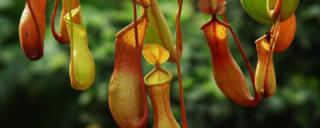
From our perspective, sunlight is not merely a pleasant condition; it is our food. We, pitcher plants, are photosynthetic organisms. Our leaves, including the intricate and alluring pitchers we are known for, contain chlorophyll. This pigment captures light energy, which we use to convert carbon dioxide from the air and water from our soil into sugars. This process, photosynthesis, is the foundation of our existence. It fuels our growth, the development of new leaves, and the energy-intensive task of producing our complex pitcher traps. Without adequate light, this factory slows to a halt. We become weak, our growth becomes spindly and elongated as we desperately reach for any light source, and our vibrant colors fade to a sickly green. Most critically, we lose the energy to produce pitchers, our defining feature.
Our ideal indoor light situation can be described as bright, indirect light for a long duration. We thrive when we receive the equivalent of partial sun. In your human terms, this translates to the light intensity found near a south-facing or east-facing window. A south window provides the longest duration of bright light, which we appreciate, but the intense midday sun can sometimes be too harsh, potentially scalding our leaves. An east window offers the perfect solution: several hours of the gentle, direct morning sun followed by bright indirect light for the rest of the day. This is often the sweet spot. A west window can also work, but the stronger afternoon sun may require a sheer curtain to diffuse the light and prevent leaf burn.
It is a common misconception that because we often grow in boggy, shaded areas in the wild, we are low-light plants. This is not accurate. While we may be shaded by taller vegetation, we still grow in open, sunny bogs where light levels are generally high. Placing us in a dark corner or a room with a north-facing window is a sentence of slow decline for us. In such low light, our photosynthetic rate plummets. We will stop producing pitchers entirely, as we lack the energy to form them. Our existing leaves will become softer, more susceptible to disease, and we will essentially enter a state of survival, not growth. We will etiolate, stretching out with large gaps between leaves, seeking a light source that isn't there.
You can learn to understand our language by observing our leaves. We will clearly tell you if our light conditions are wrong. If we are receiving too much direct, harsh sunlight, we will show signs of stress. The most obvious is sunburn: crispy, brown, or bleached-white patches on the leaves, particularly on the parts most exposed to the sun. Our colors may also wash out. Conversely, if we are not receiving enough light, our communication is just as clear. Our normally vibrant red or purple veins will fade, and the entire plant will take on a pale, lime-green color. Our new growth will be weak, with small leaves and exceptionally long, weak stems. The most telling sign of insufficient light is a complete lack of new pitcher development.
In many modern homes, especially during winter months, providing sufficient natural light can be a challenge. In these cases, we are quite receptive to artificial assistance. You can use artificial grow lights to supplement or even fully provide our light needs. Full-spectrum LED or fluorescent grow lights are excellent for us. They should be positioned about 6 to 12 inches above our foliage and kept on for 12 to 14 hours a day to mimic a long summer day. This artificial sun allows us to continue photosynthesizing and growing vigorously year-round, even in a windowless room. It is a reliable way to ensure we receive the consistent, high-quality light we need to be healthy and produce our characteristic pitchers.