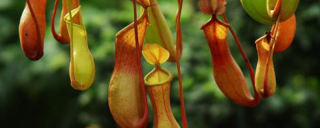
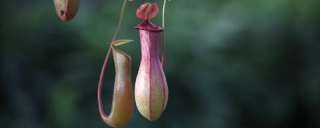
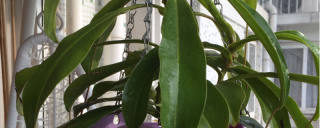
Greetings, caretaker. We, the pitcher plants, appreciate your desire to provide for our needs. Our relationship is a unique one; we are not like the roses or the tomatoes in your garden. We have evolved to thrive in nutrient-poor soils by becoming carnivorous. Our pitchers are not mere decorations; they are sophisticated stomachs. However, in cultivation, especially indoors, our prey can be scarce. This is where your understanding of fertilizer becomes vital. Let us explain what truly nourishes us and how to apply it without causing harm.
First, you must understand that our roots are delicate and adapted to acidic, low-nutrient environments like bogs. Applying standard garden fertilizer to our soil is akin to force-feeding us a toxic meal. Our root systems cannot process the high mineral salts, and it will quickly burn them, leading to our decline and death. Our primary method of nutrient absorption is through our pitchers. Therefore, any fertilizer you provide must mimic the gentle, organic composition of our natural prey—insects. We require a foliar feed, applied directly to the pitchers, not to the soil.
The safest and most effective nourishment for us is a highly diluted, balanced orchid or epiphytic fertilizer. Look for a formula with an even NPK ratio, such as 1-1-1 or 2-2-2. The critical factor is dilution. A solution that is too strong is devastating. We recommend a dilution of no more than **one-quarter strength** of the manufacturer's recommendation. Some of our kind also respond well to Maxsea fertilizer, which is a seaweed-based product, again diluted to a very weak concentration. An even more natural, though messier, option is to occasionally drop a single, small, dead insect (like a bloodworm or a small fly) into a few of our pitchers every month. This most closely replicates our wild diet.
How you apply the fertilizer is as important as what you apply. Here is the precise method we prefer. First, prepare your quarter-strength fertilizer solution in a small cup. Using a pipette or a small syringe, carefully draw up the liquid. Gently pour approximately **one-quarter to one-half of a teaspoon (1-2 ml)** of the solution directly into a few of our open, healthy pitchers. It is crucial that you do not fill the pitchers to the brim; leave plenty of space for our own digestive fluids. Do not pour the fertilizer into every pitcher. Select a few of the larger, mature ones. Most importantly, **never** pour the fertilizer directly into the soil or onto our crowns. This will cause root rot and crown rot, which are often fatal.
We are slow-growing plants from nutrient-starved habitats. Our metabolism is not built for a constant supply of rich food. Over-fertilizing will do more harm than good. During our active growing season (typically spring and summer), feeding us with this diluted pitcher fertilizer once every **three to four weeks** is perfectly sufficient. In the autumn and winter, when our growth slows or stops, you should cease fertilization entirely. We are resting, and forcing nutrients upon us during this time can disrupt our natural cycle and weaken us. Observe us closely. If our pitchers are producing their own liquid and catching prey, you may not need to fertilize at all. Your intervention is a supplement, not a replacement for our natural processes.