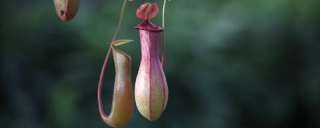
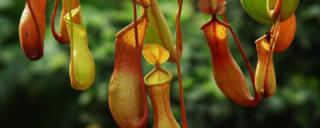
As a pitcher plant, my existence is a marvel of adaptation. I have transformed my leaves into elegant, fluid-filled traps to capture the nutrients I cannot easily draw from the poor soil I call home. However, this very specialization makes me vulnerable. My pitchers are not just traps for insects; they can become havens for pests, and my unique physiology is a target for specific diseases. From my roots to my newest pitcher, here are the primary adversaries I face.
These pests are a constant nuisance, piercing my tender tissues to feed on my sap. This weakens me significantly, causing distorted growth, yellowing leaves (chlorosis), and a general decline in my vigor. The most common offenders are Aphids, which cluster on my new growth and flower stalks, excreting a sticky "honeydew" that attracts sooty mold. Spider Mites are another grave threat, especially in hot, dry indoor conditions. They are tiny but create fine webbing on the undersides of my leaves, causing a stippled, dusty appearance. Mealybugs look like tiny tufts of white cotton and often hide in the crevices where my leaves join the rhizome, sucking sap and injecting toxins.
Excessive moisture and poor air circulation are my downfall when it comes to fungal issues. Botrytis Cinerea (Gray Mold) appears as a fuzzy gray mold on my leaves and pitchers, particularly in cool, damp weather. It quickly kills the affected tissue. More devastating is Crown and Root Rot, caused by fungi like Pythium and Rhizoctonia. This often starts below the soil line, attacking my rhizome. From my perspective, it feels like a sudden collapse; my leaves wilt, turn black, and I can die rapidly if the rot isn't excised. Sooty Mold is a secondary issue, a black fungus that grows on the honeydew left by sap-sucking pests, blocking sunlight from my leaves and reducing my ability to photosynthesize.
My pitchers are designed for a specific ecosystem. While they host symbiotic organisms like mosquito and midge larvae, certain invaders can disrupt the delicate balance. Pitcher Rot occurs when too much non-prey material (like large captured moths) decays at once, or when my digestive fluids are diluted by excessive rainwater. The contents putrefy, turning the pitcher brown and mushy, and the rot can spread. Additionally, in cultivation, Fungus Gnats can be a problem. Their larvae may feed on my sensitive roots, and while adult gnats are sometimes caught in my pitchers, a large infestation can stress my root system.
Many of my problems are not caused by pathogens but by improper care, which I experience as physiological stress. Using tap water is poisonous to me; the minerals and salts burn my roots, leading to brown leaf tips and stunted growth, a condition often mistaken for disease. Insufficient Light causes me to become etiolated—my growth is weak, my pitchers are small and pale, and I become far more susceptible to pests and fungi. Conversely, Sunburn from a sudden increase in intense, direct sunlight can scorch my leaves, creating dead, brown patches that do not recover.