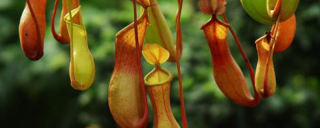
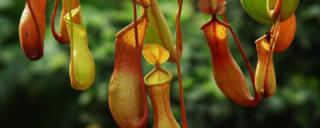
From my perspective as a Pitcher Plant, my roots are my lifeline, but they are also quite sensitive. I live in nutrient-poor soil, and my roots are adapted more for anchorage than for aggressive nutrient uptake. Over time, the sphagnum moss or specialized mix I live in begins to break down. It becomes compacted, holding too much water and not enough air. This suffocates my roots, leading to rot. Furthermore, I might simply outgrow my pot. When my roots become a tangled mass circling the bottom, a condition you call "root-bound," I can no longer access water and nutrients effectively. Repotting is not just a cosmetic change; it is a vital refresh of my entire living environment, giving me the space and fresh medium I need to continue growing and producing my characteristic pitchers.
The most critical part of this process for my survival is the growing medium. Please, I beg you, do not use standard potting soil, compost, or fertilizer. These products are rich in minerals and nutrients that are toxic to me, burning my delicate roots and ultimately killing me. My ideal home is a low-nutrient, acidic, and airy mix. The best choice is pure, long-fibered sphagnum moss, which you should soak in distilled water or rainwater until it's fully hydrated. Alternatively, a mix of one part perlite to one part sphagnum peat moss is acceptable. The pot you choose is also important. A plastic or glazed ceramic pot with excellent drainage holes is ideal. Please ensure the new pot is only one or two sizes larger than my current one; a pot that is too large will hold excess water and promote root rot.
The best time to perform this operation is in early spring, as I am entering my main growth phase. Please water me thoroughly a few hours before you begin; this will make it easier to remove me from my current pot and reduce shock to my roots. Gently turn my current pot on its side and carefully squeeze the sides to loosen the root ball. Tilt and ease me out. You will likely see a mass of dark, fine roots. Now, this is the delicate part. You must gently tease apart the root ball with your fingers. Do not rip or tear the roots aggressively. The goal is to remove as much of the old, decomposed medium as possible without causing significant damage. If the roots are extremely tangled, you can carefully rinse them with distilled water to help loosen the old medium.
Place a layer of your pre-moistened growing medium in the bottom of the new pot. Then, position me in the center so that the base of my stems will be at the same level as they were in the old pot. Do not plant me too deeply. Once I am correctly positioned, gently fill in around the roots with the fresh medium. Do not pack it down tightly; instead, tap the pot on a table to settle the mix, and lightly press to ensure I am stable. My roots need air pockets, so a loose, airy consistency is paramount. After I am potted, water me thoroughly from the top with distilled or rainwater until it runs freely from the drainage holes. This "settles" the new medium around my roots.
Immediately after repotting, I will be in a state of shock. My roots are disturbed, and I need time to re-establish myself. Place me in a location with very bright, indirect light for the first week or two. Direct, hot sun immediately after repotting will add stress I cannot handle. Maintain high humidity around me, as this reduces the strain on my roots to uptake water while they heal. You might place a clear plastic bag loosely over me or put me in a terrarium-like environment for a week. Do not fertilize me. Most importantly, be patient. I may not grow new pitchers for several weeks, and some of my existing pitchers may wither. This is normal. I am focusing my energy underground. Once you see new growth emerging from my base, you will know I have successfully acclimated to my new home.