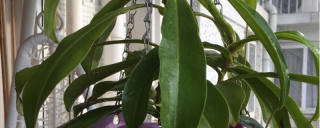
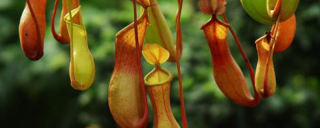
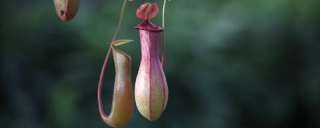
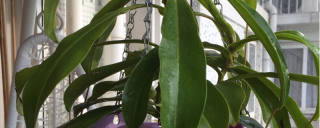
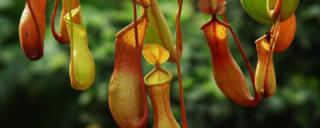
First, let's get one thing straight: I am not a typical houseplant. I am a tropical carnivore, an epiphyte from the steamy jungles of Southeast Asia. This means I have evolved in an environment that is consistently warm, humid, and bright, but with low-nutrient soil. My spectacular pitcher traps are my way of compensating for the poor soil; they are my stomachs, allowing me to digest insects to get the nutrients I need to thrive. If you try to grow me like a common philodendron, I will simply languish. My needs are specific, but not impossibly difficult once you understand my perspective.
My well-being hinges on three critical factors. The first is water. I am incredibly sensitive to minerals and chemicals found in most tap water. These substances will quickly build up in my soil and burn my roots, leading to a slow, brown death. You must water me only with pure water—rainwater, distilled water, or reverse osmosis water are my preferred drinks. The soil should be kept moist but not waterlogged.
The second factor is light. I crave bright, indirect light. Think of the dappled sunlight that filters through the canopy of my native jungle. A south or east-facing window is ideal. If your home is dark, you can provide me with a grow light. Without sufficient light, I will stop producing my beautiful pitchers, as they are energetically expensive to create.
The third factor is humidity. This is often the biggest challenge for me indoors in the USA, especially during dry winters. I thrive in humidity levels of 60% or higher. Low humidity will cause my existing pitchers to dry up and new ones to abort before they fully form. You can help me by placing my pot on a humidity tray filled with water and pebbles, grouping me with other plants, or, best of all, housing me in a terrarium or a humidified grow tent.
Please, never plant me in regular potting soil or fertilize me through my roots. That rich, dense soil will suffocate my roots and cause rot. My roots are adapted to airy, acidic, and nutrient-poor mediums. The perfect home for me is a loose, chunky mix that allows for excellent drainage and air circulation. A common and successful recipe is a blend of long-fiber sphagnum moss, perlite, and orchid bark. As for a pot, any container with excellent drainage holes will do, though many growers prefer plastic or net pots to help retain moisture.
If you provide me with the right light, water, and humidity, I will be able to catch some food on my own, like fungus gnats that might be attracted to my moist soil. However, if I am growing indoors without access to insects, you can give me a small snack every few weeks during my active growing season (spring and summer). You can drop a small, dead insect like a fly or a bloodworm into one of my mature pitchers. Do not overfeed me—one insect per pitcher is plenty, and never use fertilizer in my soil. Overfeeding will cause the pitcher to rot.
Unlike many temperate plants, I do not have a true winter dormancy. I am a tropical plant and grow year-round if kept warm. However, I am sensitive to day length and temperature drops. In the winter, with shorter days and potentially cooler temperatures (especially near a window), my growth may slow down significantly. This is normal. Do not panic and start overwatering or moving me to a drafty spot. Just maintain my core needs, and I will resume vigorous growth when the days lengthen again.