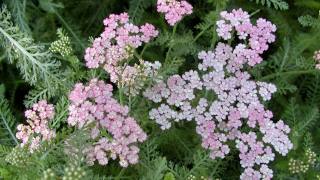
From a botanical perspective, yarrow (Achillea millefolium and related species) is exceptionally well-equipped for winter survival. Its cold hardiness is a result of specific evolutionary adaptations that allow it to endure freezing temperatures and emerge vigorously in the spring. Understanding these mechanisms provides a clear answer to its winter care needs.
As daylight shortens and temperatures drop in autumn, yarrow undergoes a fundamental physiological shift. The plant recognizes these environmental cues and begins to translocate valuable nutrients and energy from its above-ground foliage down into its root system and crown (the point where the roots meet the stems). This process is crucial for survival. The tender leaves and flower stalks, which are highly susceptible to freezing, will inevitably die back. This is not a sign of failure but a strategic retreat. By sacrificing its vulnerable parts, the plant conserves all its vital energy underground, where it is insulated from the harsh conditions above. The dead foliage itself then acts as a protective mulch, shielding the crown from extreme temperature fluctuations.
The key to yarrow's resilience lies beneath the soil surface. Yarrow does not survive winter as a taproot but as a network of rhizomes. Rhizomes are modified, horizontally-growing stems that store starches and other carbohydrates. This underground energy reserve is the plant's food source during dormancy and the fuel for new growth in spring. Because these rhizomes are located several inches below the frost line in most climates, they are buffered from the killing freeze that affects the surface. The soil acts as a natural insulator, ensuring the plant's core remains viable even when the world above is frozen solid. This robust root system makes yarrow reliably cold hardy in USDA Plant Hardiness Zones 3 through 9, meaning it can withstand minimum winter temperatures as low as -40°F (-40°C).
To support yarrow's natural survival strategy, winter care should focus on facilitating, not fighting, its dormancy cycle. The most beneficial action is to leave the dead foliage in place throughout the winter. While it may appear untidy to the human eye, this brown mass is a vital part of the plant's defense system. It traps snow, which is an excellent insulator, and protects the crown from drying winds and sunscald. Pruning the plant back to the ground in the fall removes this natural protection and can stimulate tender new growth that will be immediately killed by frost, wasting the plant's stored energy. The ideal approach is to wait until early spring, just as new basal growth begins to appear, to cut back the old dead stems. This timing allows the plant to benefit from maximum winter protection while clearing the way for unfettered new growth.
While yarrow is supremely adapted to handle cold, its Achilles' heel during winter is wetness, particularly in poorly draining soil. Yarrow is a drought-tolerant plant that thrives in well-drained conditions. When its crown and rhizomes sit in cold, waterlogged soil, they are highly susceptible to rot. The combination of freezing and thawing cycles with saturated soil can physically damage the root tissues and create an environment where fungal pathogens thrive. Therefore, the most critical aspect of winter care, especially in regions with wet winters, is ensuring the planting site has excellent drainage. Amending heavy clay soil with sand or gravel at planting time is a far more effective winter protection measure than any man-made covering.