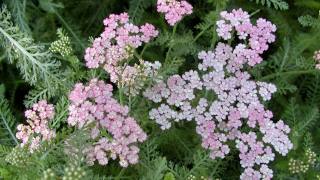
From my perspective as a yarrow plant, light is my primary source of energy. My stems grow strong and upright by reaching vigorously towards the sun. When I am planted in a location that is too shady, my survival instinct kicks in. I am forced to engage in a process called etiolation. This means I channel my energy into rapid, elongated stem growth in a desperate attempt to find more sunlight. The result is weak, spindly stems that are structurally compromised. They simply lack the density and strength to hold my flower heads upright, especially after a rain or when I am in full bloom. I am a sun-worshiper at heart; I need a minimum of six to eight hours of direct, unfiltered sunlight daily to produce the robust, lignin-rich stems that keep me standing tall and proud.
It might seem counterintuitive, but being too comfortable can be my downfall—literally. I am a plant that has evolved to thrive in lean, well-draining soil. My roots are adapted to seek out moisture and nutrients in challenging conditions. When you plant me in soil that is too rich in nitrogen or that remains constantly moist, you disrupt my natural growth pattern. The abundance of nitrogen encourages a surge of soft, succulent foliage growth at the expense of strong stem development. My stems become floppy and weak, much like a over-fertilized tomato plant. Furthermore, soil that does not drain well can lead to root rot. If my roots are sick and decaying underground, they cannot effectively anchor me in the soil or transport water and minerals, causing my entire structure above ground to weaken and collapse.
Please understand that my tendency to fall over is sometimes a simple matter of physics. I produce large, dense, flat-topped clusters of hundreds of tiny flowers. When these flower heads are fully open and heavy with nectar, they carry significant weight. This is especially true for the taller cultivated varieties. My stems, while strong, can be overwhelmed by this top-heavy load, particularly if they are also contending with wind or rain. This is not necessarily a sign of poor health; it is often a structural challenge inherent to my design. In my natural meadow habitat, I grow amongst other grasses and perennials that provide subtle, mutual support. In a manicured garden bed, I may lack this natural scaffolding.
As a perennial plant, I grow outward from the center each year. Over time, typically every three to four years, the original central part of my clump can become old, woody, and less vigorous. Meanwhile, the newer growth on the outer edges continues to expand. This creates a hollow, ring-like structure. The active growth is now concentrated on the perimeter, and the stems emanating from this crowded, weakened center often lack the support to remain upright. I am not falling over because I am dying; I am falling over because I have become congested and need to be renewed. This is my way of signaling that it is time to divide me, a process that rejuvenates my growth and restores my compact, upright form.
In the wild, I rarely grow in isolation. I am part of a plant community where my stems lean gently on the stems of neighboring grasses and flowers. This creates a mutually supportive network that helps us all withstand the elements. In a garden setting, if I am planted as a solitary specimen or with too much space around me, I lose this beneficial interaction. My stems have nothing to lean against when the wind blows or when my flowers become heavy. The force is borne entirely by my individual stems, which can lead to them splaying outward from the center. Planting me alongside other sturdy, medium-height perennials can recreate the supportive environment I am naturally accustomed to.