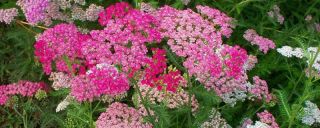
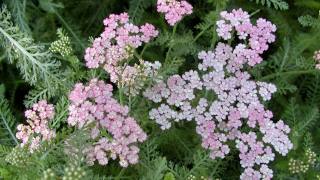
Yarrow (Achillea millefolium) is a resilient perennial plant prized for its feathery foliage and clusters of bright, flat-topped flowers. While generally robust and tolerant of poor soils and drought, yarrow is not immune to challenges. From the plant's perspective, certain environmental conditions and biological invaders can disrupt its physiological processes, leading to stress, damage, and potentially death if left unaddressed.
Fungal pathogens are a primary concern for yarrow, often exploiting periods of prolonged moisture on our leaves or around our root systems.
Powdery Mildew: This is a common affliction where a white, powdery fungal growth appears on our leaf surfaces. From our perspective, this coating is not just unsightly; it interferes with photosynthesis, the vital process by which we convert sunlight into energy. The fungus saps our nutrients, causing leaves to yellow, curl, and potentially drop prematurely, weakening our overall vigor.
Botrytis Blight (Gray Mold): In cool, damp, and crowded conditions, the Botrytis cinerea fungus can strike. It typically appears as a gray, fuzzy mold on flowers, buds, and leaves. For the yarrow plant, this is a rapid decay process. The fungus invades and kills plant tissue, causing flower heads to turn mushy and rot. It can spread quickly, especially in the dense clusters of flowers we produce.
Root and Crown Rots (e.g., Pythium, Phytophthora): These are perhaps the most serious threats from our point of view. They attack the very foundation of the plant—the root system and the crown (where the stems meet the roots). In waterlogged, poorly draining soil, these fungi thrive, rotting our roots and blocking their ability to uptake water and nutrients. The above-ground symptoms we show, such as wilting, yellowing, and stunting, are a direct cry for help from a root system in distress.
While yarrow's strong scent deters many pests, some insects are undeterred and view us as a food source.
Aphids: These small, soft-bodied insects are a frequent nuisance. They congregate on our tender new shoots and the undersides of leaves, piercing our tissue to suck out phloem sap. This direct loss of nutrients can cause leaves to distort and stunt growth. Furthermore, aphids excrete a sticky substance called honeydew, which attracts sooty mold fungi, further inhibiting photosynthesis.
Spider Mites: More problematic during hot, dry weather, spider mites are tiny arachnids that also feed on sap. They cause a stippling or bronzing effect on leaves as they drain cell contents. A severe infestation leads to webbing covering the foliage and can cause significant leaf drop, severely stressing the plant.
Spittlebugs: The nymphs of spittlebugs feed on our stems, producing a characteristic frothy, white "spit" that protects them from predators and desiccation. While their feeding damage is usually not fatal, it can weaken younger plants and cause stunting.
Often, the conditions that make yarrow susceptible to pests and diseases are created by its growing environment. From our perspective, stress is a major predisposing factor.
Poor Air Circulation: When we are planted too closely together, humidity levels around our foliage remain high. This stagnant, moist environment is ideal for the germination and spread of fungal spores like those of powdery mildew and botrytis.
Overhead Watering and Excessive Moisture: Water that sits on our leaves for extended periods, especially from overhead sprinklers, creates the perfect conditions for fungal diseases. Similarly, waterlogged soil is an invitation for root rot pathogens, which will quickly attack and decay our root system.