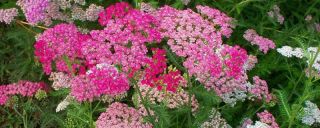
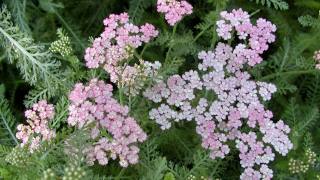
From a plant's perspective, the term "invasive" is not a moral judgment but a description of competitive success. An invasive plant is one that demonstrates vigorous growth, high reproductive output, and an ability to establish itself in new territories, often outcompeting native flora for resources like sunlight, water, and soil nutrients. Common Yarrow (Achillea millefolium) is a complex case. In its native range across temperate regions of the Northern Hemisphere, it is a valuable, well-behaved component of the ecosystem. However, when introduced to new regions, such as parts of Australia or North America (where specific horticultural cultivars have spread), its inherent traits can lead to invasive behavior. Its success is not due to malice but to a highly effective survival strategy honed over millennia.
Yarrow is equipped with several biological adaptations that make it a formidable competitor. Its primary strategy is twofold: prolific seed production and vigorous vegetative spread. A single yarrow plant can produce thousands of tiny, plumed seeds that are easily dispersed by wind over long distances, allowing it to colonize disturbed soils rapidly. More significantly, yarrow is a rhizomatous plant. It sends out underground stems called rhizomes that travel horizontally just beneath the soil surface. From these rhizomes, new vertical shoots emerge, creating dense, interconnected clonal colonies. This allows a single plant to claim a large area quickly, forming a mat that shades out smaller, less aggressive plants. Furthermore, yarrow is exceptionally drought-tolerant due to its deep, fibrous root system and fern-like, finely divided leaves that reduce water loss, allowing it to thrive where other plants might struggle.
In a balanced ecosystem, yarrow plays a beneficial role. It is a pioneer species, one of the first to establish on bare or disturbed ground, helping to prevent soil erosion. Its flowers are an excellent source of nectar for pollinators. The problem arises when it is introduced to an ecosystem where these natural checks and balances are absent. Without native insects, diseases, or competing plants that evolved alongside it, yarrow can shift from being a helper to a dominator. Its dense rhizome mats can monopolize space and soil resources, preventing the germination and establishment of native wildflowers and grasses. This reduction in plant diversity can, in turn, affect the insect and animal species that depend on a varied habitat, leading to a simplification of the local ecology.
Controlling yarrow requires an understanding of its life cycle and a persistent approach targeting its entire system. The goal is not eradication in its native range but management in areas where it is problematic.
4.1 Mechanical Control: For small infestations, persistent digging can be effective. However, it is crucial to remove the entire rhizome network. Any small piece of rhizome left in the soil can regenerate into a new plant. Regular mowing or cutting before the plant sets seed can weaken it over time by depleting its energy reserves, but this must be done consistently for multiple growing seasons.
4.2 Cultural Control: The best defense is a strong offense. Promoting a thick, healthy stand of desirable plants, such as a competitive lawn or a dense planting of native perennials, can help crowd out yarrow by limiting the light and space available for its seedlings to establish. Improving soil health to favor desired plants can also tip the competitive balance.
4.3 Chemical Control: In cases of large-scale invasion, herbicides may be considered. A non-selective, systemic herbicide (like glyphosate) applied to the foliage will be transported down into the rhizomes. This is most effective when the plant is actively growing. Spot treatment is preferred to minimize impact on non-target plants. Always consult local regulations and consider the environmental impact before using chemical controls.