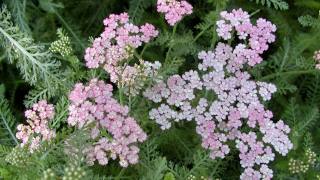
From a botanical perspective, yarrow (Achillea millefolium) is classified as a sun-loving perennial. Its physiological and morphological adaptations are optimized for environments with high light availability. The primary engine of plant growth is photosynthesis, a process that converts light energy, water, and carbon dioxide into chemical energy (sugars). Yarrow's leaf structure, growth habit, and flowering mechanism are all fine-tuned to maximize photosynthetic efficiency under full sun conditions, which is typically defined as a minimum of six hours of direct, unfiltered sunlight per day.
Yarrow possesses several key adaptations that make it reliant on full sun. Its leaves are relatively small, finely dissected, and often covered with tiny, fuzzy hairs. This morphology is not just for aesthetic appeal; it is a strategic adaptation to reduce water loss through transpiration under intense solar radiation and heat. The plant's growth habit is typically upright and clump-forming, allowing it to efficiently capture sunlight without excessive self-shading. Most critically, the energy-intensive process of producing its characteristic flat-topped clusters of flowers is directly fueled by the abundant sugar production achieved during long hours of photosynthesis. Inadequate light directly compromises the plant's ability to generate the energy required for prolific blooming.
When yarrow is grown in full shade or even deep partial shade, its physiological systems are significantly stressed. The most immediate and noticeable effect is etiolation: the stems become weak, leggy, and spindly as the plant stretches desperately towards any available light source. The overall clump will appear loose and floppy, failing to achieve its characteristic sturdy form. Flowering will be drastically reduced, or may cease altogether, as the plant lacks the photosynthetic resources to produce blooms. The plant's internal energy reserves become depleted, making it more susceptible to fungal diseases like powdery mildew or root rot, which thrive in the cooler, damper, and less airy conditions often associated with shaded areas. Over time, a yarrow plant in deep shade will simply decline and die.
While yarrow is unequivocally a sun-loving plant, its tolerance for "partial shade" depends heavily on the specific definition of that term. In horticulture, partial shade often refers to areas that receive 3 to 6 hours of direct sunlight, preferably the less intense morning sun, or are subject to dappled sunlight throughout the day, such as under a high-canopy tree with open branching. Yarrow can sometimes survive in these conditions, but it will not thrive as it would in full sun. In such a setting, one can expect reduced flowering, a less compact growth habit, and potentially a slightly greener leaf color (as the plant produces more chlorophyll to capture limited light) compared to the silvery-green foliage developed in full sun.
For a gardener aiming for a healthy, floriferous, and resilient yarrow plant, the choice of planting location is paramount. The ideal site is one that receives full sun for the majority of the day. If a garden has only partial shade available, the success of yarrow will be marginal. In a partial shade environment, it is crucial to ensure the site has excellent air circulation and very well-draining soil to mitigate the risk of moisture-related diseases. However, it is important to manage expectations; the plant's performance will be suboptimal. For areas with significant shade, it is far more effective to select a different perennial that is genuinely adapted to low-light conditions, rather than attempting to force a sun-obligate species like yarrow to adapt.