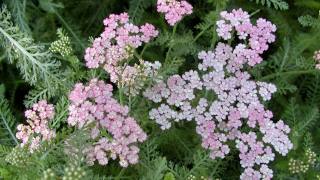
From our perspective as Yarrow (*Achillea millefolium*), propagation is not a human invention but a fundamental expression of our life cycle. We are perennial plants, and our primary strategy for expanding our territory is not just through the tiny seeds we produce, but through our underground network of stems, called rhizomes. These rhizomes are our lifelines, storing energy and sending out new shoots, or "ramets," to form dense clumps. When a gardener divides us, they are simply assisting a process that we are already energetically undertaking. The key is to do it in a way that respects our biological needs, ensuring each new division has the resources to thrive independently.
Timing is critical for our successful division. The best moments align with our natural growth cycles, when our energy is focused on root development rather than prolific flowering. We prefer to be divided in the early spring, just as our new, green shoots begin to emerge from the soil. At this time, the soil is moist and warming, and we can channel our stored energy into establishing new roots before the summer heat arrives. Alternatively, early autumn is also acceptable, after the intense heat has passed but while the soil is still warm enough to encourage root growth before winter dormancy. Dividing us during these windows minimizes shock and gives us the entire following season to establish ourselves.
The act of division should be a careful dissection, not a violent tearing. First, use a sharp spade to dig a wide circle around the parent clump, lifting the entire mass of roots and soil from the ground. Gently wash the soil from the root mass with a gentle spray of water; this allows you to see our rhizome structure clearly. You will notice that our clump is not a single entity but a collection of individual rosettes connected by these pale, sturdy rhizomes. Using your hands, a sharp knife, or two garden forks placed back-to-back, gently tease the clump apart into smaller sections. Each viable division should have its own set of healthy roots and at least three to five growing shoots (the green tops). Discard any old, woody, or diseased central parts of the clump.
Once separated, we require prompt and attentive care. Do not let our exposed roots dry out. Replant the divisions immediately. Prepare the new planting site with well-draining soil, as we despise having our crowns sit in water. Dig a hole wide enough to accommodate our roots without bending them, and set the division in so that the crown (where the roots meet the shoots) is level with the soil surface. Backfill the hole, firm the soil gently around us, and water deeply and thoroughly. This initial watering settles the soil around our roots and eliminates air pockets, which can desiccate and damage our delicate root hairs. Continue to keep the soil consistently moist, but not soggy, for the first few weeks as we begin our new, independent lives.