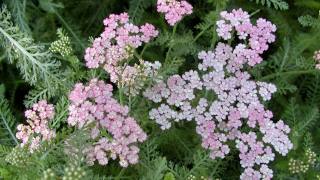
From the perspective of the yarrow plant (Achillea millefolium), successful establishment and vigorous growth are the primary goals. The timing of planting is not an arbitrary date on a human calendar but is intrinsically linked to the plant's biological needs for root development, temperature tolerance, and moisture availability. The "best" time is when environmental conditions align perfectly with these needs, giving the plant the highest probability of thriving with minimal stress.
For yarrow, the most advantageous times to plant are during the transitional seasons of spring and autumn. These periods offer the ideal balance of warm soil and cool air, which is the perfect recipe for root establishment. Yarrow is a perennial plant, meaning its strategy is to build a strong, resilient root system that will sustain it for years. During spring and autumn, the plant can channel its energy almost exclusively into root growth without the excessive demand of supporting top growth or enduring extreme heat or cold. The moderate air temperatures reduce stress on the foliage, while the soil retains enough warmth to encourage root development. This strong root foundation is critical for surviving the harsher conditions of summer and winter.
While the principles of spring and autumn planting are universal, the specific timing must be adapted to the vast climatic diversity of the US. The plant's experience varies significantly by region.
Northern US (USDA Hardiness Zones 3-5): Here, winters are severe. The best time for a yarrow plant to get established is in the spring, after the last hard frost has passed and the soil has warmed and become workable. A spring planting allows the entire growing season for the root system to mature before the deep freeze of winter. Autumn planting is risky, as an early frost can kill young, tender plants before they have adequately anchored themselves.
Central US (Zones 6-7): This region offers the most flexibility. Yarrow can be planted successfully in both spring and autumn. An early autumn planting is often ideal, as the soil is still warm from summer, but the air is cooler. This gives the plant several weeks of active root growth before winter dormancy, allowing it to burst into growth the following spring with a significant head start.
Southern US and California (Zones 8-10): In these warmer zones, the primary threat is intense summer heat. Therefore, the optimal planting time shifts to autumn or even early winter. Planting in the fall allows yarrow to establish its roots during the cooler, often wetter months. By the time the scorching summer arrives, the plant will have a deep and extensive root system capable of accessing subsurface moisture, making it highly drought-tolerant. Spring planting is possible but requires diligent watering to help the plant cope with the rapidly escalating heat.
The preferred timing also depends on whether you are introducing yarrow as seeds or as established transplants. For seeds, they require a period of cold stratification to break dormancy. Therefore, sowing seeds directly in the garden in late fall is often the most natural method, as they will experience the winter cold and germinate when conditions are right in spring. Transplants, which are already young plants, should be treated according to the regional guidelines above, as their root systems are vulnerable and need the gentle conditions of spring or autumn to settle into their new environment without shock.
From the plant's perspective, there are clear times to avoid planting. The peak of summer is stressful because high temperatures cause excessive transpiration (water loss from leaves), and the plant must struggle to establish roots while simultaneously coping with heat stress. The depths of winter are equally unsuitable, as the cold soil halts root growth entirely, leaving the plant vulnerable to frost heave and rot. The goal is always to plant when the plant can focus its energy on what matters most: building a robust foundation underground.