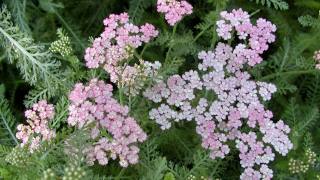
Before you even open my seed packet, you must understand who I am. I am Achillea, a perennial herb known for my resilience and love of the sun. I thrive in conditions that many other plants find challenging – full sun and well-draining, even somewhat poor, soil. My roots despise being waterlogged; they are designed to seek moisture deep in the ground, making me exceptionally drought-tolerant once I am established. If your garden is a shady, damp area, I will struggle and become leggy and unhappy. But if you can offer me a bright, open space with soil that doesn't hold onto water, we will have a long and beautiful relationship. I am not a fussy plant, but I am particular about my basic needs for light and drainage.
My seeds carry within them a built-in patience mechanism. In the wild, I would drop my seeds in late summer or fall, and they would lie dormant through the winter, only germinating after the cold period has passed and the soil warms in spring. This process, called cold stratification, breaks our natural dormancy. For the best chance of success, I recommend you mimic this natural cycle. You can sow my seeds directly in the garden in late fall, allowing winter's chill to work its magic. Alternatively, for a more controlled start indoors, place my seeds in a damp paper towel inside a sealed plastic bag and refrigerate them for 4-6 weeks before sowing. This simple step significantly increases my germination rate, telling my embryonic root that it is safe to emerge.
Whether you choose to sow me indoors or directly in your garden, the foundation you provide is critical. I need a fine, crumbly seedbed, not a clumpy, heavy one. If you are sowing me outdoors, choose a sunny spot and loosen the top 6-8 inches of soil. Remove any large stones, weeds, or debris. If your soil is heavy clay, I would be grateful if you mixed in some sand or fine gravel to improve drainage. I do not require rich soil; in fact, too much fertility can make me grow overly lush and flop over. A moderately fertile to poor soil will produce sturdier, more compact plants. The goal is to create a welcoming, loose medium where my tiny, delicate roots can easily push through and establish themselves without fighting against compacted earth.
This is a crucial detail many gardeners miss: my seeds need light to germinate. I am a sun-worshipper from the very beginning of my life. When you sow me, whether in a tray indoors or directly in the garden, do not bury me deeply. Simply press my seeds gently onto the surface of the moistened soil. You can dust a whisper-thin layer of fine soil or vermiculite over me, but no more than 1/8 of an inch. The goal is to ensure I maintain good contact with the soil while still allowing light to reach me. Keep the soil consistently moist but not soggy; a fine mist from a spray bottle is ideal to avoid washing my tiny seeds away. Patience is key here, as germination can take 14-21 days.
Once my seedlings emerge, they will be small and delicate. If you sowed me directly outdoors and clusters of seedlings appear, you must give them space to grow. When they have developed their first or second set of true leaves (the leaves that appear after the initial seed leaves), thin them to be about 12-18 inches apart. This might feel harsh, but it is essential for my health. Crowding leads to poor air circulation, which can encourage fungal diseases and competition for resources. I am a plant that invests heavily in my root system first. My first year will be spent building a strong, deep foundation. You may see some foliage, but my true floral display will come in my second year and for many years after, rewarding your initial care with enduring beauty and a haven for pollinators.