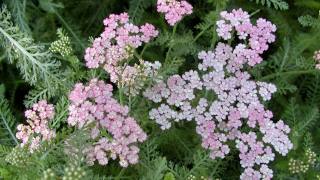
From our perspective as Yarrow plants (Achillea spp.), the most critical factor to understand is our root system. We develop a dense, mat-like network of fibrous roots that spread horizontally just below the soil surface. Unlike plants with deep taproots that seek out deep moisture, our roots are designed to efficiently capture shallow water from rainfall and light irrigation. This evolutionary design makes us exceptionally drought-tolerant but also highly susceptible to overwatering. When the soil around our roots remains constantly saturated, it suffocates us by driving out the oxygen our roots need to breathe. This leads to root rot, a fatal condition we cannot recover from. Therefore, the frequency of watering must always respect our need for a cycle of moisture followed by a period where the soil can dry out.
Your watering schedule should change dramatically depending on our stage of life. As a young seedling or a newly transplanted yarrow, we are at our most vulnerable. Our root systems are not yet established and cannot seek out water efficiently. During this initial establishment period, which lasts for the first few weeks to the first growing season, we require consistent moisture. Please water us lightly but frequently, keeping the soil evenly moist (but not wet) to encourage our roots to grow strong and deep into the surrounding soil. Once we are established, our needs shift entirely. A mature yarrow plant is incredibly self-sufficient and prefers to be left to its own devices. At this point, frequent watering becomes a source of stress, not relief.
There is no universal calendar schedule for watering us. The correct frequency is dictated by a conversation between you and our immediate environment. You must learn to read the cues. The primary method is to check the soil moisture. Before you reach for the hose, push your finger about an inch or two into the soil near our base. If the soil feels dry at that depth, it is a clear signal that we are ready for a drink. If it still feels cool and moist, we are perfectly content. Other environmental factors heavily influence this. During a hot, dry, and windy spell, the soil will dry out much faster, and we may appreciate a deep watering. Conversely, during a cool, cloudy, or rainy period, we will not need any supplemental water at all. Yarrow planted in dense, clay soil will need water less often than yarrow planted in fast-draining, sandy soil.
When you do determine that we need water, the method is as important as the timing. The goal is to encourage deep, resilient roots. The best approach is to provide a deep, thorough soaking that penetrates the soil to a depth of at least 6-8 inches. This encourages our roots to grow downwards, making us more stable and even more drought-tolerant. A light, daily sprinkling is detrimental; it only moistens the very top layer of soil, encouraging our roots to stay shallow and weak. This makes us dependent on you and more susceptible to drying out quickly. A deep watering followed by a prolonged period where the soil is allowed to dry out is the ideal rhythm for an established yarrow plant. In many temperate climates, once we are established, we can thrive on natural rainfall alone.
We will communicate when your watering regimen is causing us harm. The symptoms of overwatering and underwatering can, ironically, appear similar at first glance because both damage the root system's ability to function. If you are overwatering us, our leaves will turn yellow, starting with the lower, older leaves. The stems may become soft and mushy, and the entire plant will look wilted and weak, despite the soil being wet. This is a critical emergency. If you are underwatering us, our growth will be stunted, the leaves may become crispy and brown at the edges, and we will wilt during the heat of the day. However, a thirsty yarrow will typically perk up significantly in the evening, while an overwatered one will not.