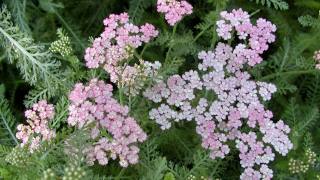
From our perspective as yarrow plants (*Achillea millefolium*), sunlight is not merely a preference; it is the very currency of our existence. We require a substantial amount of direct solar radiation—a minimum of six to eight hours per day is ideal—to fuel the process of photosynthesis. Within our leaf cells, chloroplasts capture photons from the sun, converting carbon dioxide and water into glucose, the sugar that powers our growth, flowering, and overall vitality. When planted in full sun, our stems grow strong and upright, resisting the tendency to flop over, and our foliage becomes densely packed, creating a robust mat or clump. This abundance of energy allows us to direct significant resources into producing our characteristic broad, flat-topped clusters of tiny flowers, which are essential for attracting pollinators and ensuring our reproductive success.
When we are situated in an area with partial shade or, worse, full shade, our entire physiology is negatively impacted. The most immediate and visible symptom is etiolation—we become "leggy." This means our stems stretch out abnormally long and thin as we desperately reach for more light. Our internodes (the spaces between leaves on the stem) elongate, resulting in a sparse, weak, and often floppy appearance. Furthermore, our flower production is severely diminished. Without the requisite solar energy, we cannot manufacture enough glucose to support the massive energetic cost of blooming. The flower clusters that do manage to form will be fewer, smaller, and less vibrant. Perhaps most critically, a lack of sunlight creates a damp, poorly ventilated environment around our base. We yarrow are exceptionally drought-tolerant and prefer dry conditions; persistent moisture on our foliage in shady areas makes us highly susceptible to fungal diseases like powdery mildew, which can severely compromise our health.
While we unequivocally thrive in full sun, it is important to note our inherent hardiness and adaptability. We are not fragile specimens. We can persist in areas of light or dappled shade, particularly in regions with intensely hot afternoon sun. In such climates, a location that provides full morning sun and some relief from the scorching afternoon rays can be beneficial, preventing potential stress from extreme heat. However, this is a matter of tolerance, not optimization. Our growth will be less dense, and our flowering may be slightly reduced compared to our full-sun counterparts, but we will survive. This adaptability is a key to our success in colonizing various grasslands, meadows, and open forests across our native ranges.
Our sunlight requirements are intrinsically linked to our soil and moisture preferences. We are equipped to handle full sun because we have evolved to prosper in well-draining, even poor, soils. Our deep, fibrous root systems are excellent at seeking out water, making us exceptionally drought-resistant. When planted in full sun with well-draining soil, our roots remain healthy and dry, complementing the dry conditions that sunlight promotes on our foliage. Conversely, if we are planted in a rich, moisture-retentive soil, even full sun may not be enough to prevent root issues. The ideal condition is, therefore, a partnership: abundant sunlight paired with soil that does not hold excess water. This combination allows us to express our full potential, displaying our finest foliage and most prolific, long-lasting blooms throughout the summer.