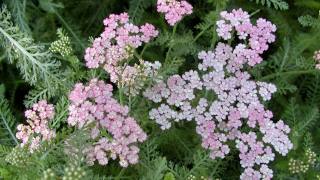
From our perspective as Yarrow plants (Achillea millefolium), we are resilient, sun-worshipping perennials that have thrived across the Northern Hemisphere for millennia. We offer our feathery foliage and flat-topped clusters of flowers to your garden in exchange for some very simple considerations. To help you help us flourish, here is a guide to our needs and desires.
Our most fundamental need is abundant sunlight. Please place us in a location that receives at least six to eight hours of direct, unfiltered sun each day. This intense light fuels our growth and ensures our stems remain strong and upright, preventing us from becoming floppy and weak. While we can tolerate partial shade, we will become leggy and our flower production will significantly diminish. As for soil, we are remarkably adaptable. We prefer well-draining soil but can prosper in poor, rocky, or even clay-heavy earth that would challenge other plants. In fact, rich, overly fertile soil encourages excessive leaf growth at the expense of our beautiful blooms and can make us sprawl. The one condition we cannot abide is wet feet; constantly soggy soil will lead to root rot and our swift demise.
You can invite us into your garden by sowing our seeds directly onto the soil surface in late fall or early spring, as we need light to germinate. Alternatively, you can introduce us as young starter plants from a nursery. The best times for this are in the cool periods of spring or autumn. Dig a hole just as deep and wide as our root ball. Gently place us inside, backfill the hole, and water us thoroughly to settle the soil around our roots. Space us approximately 1 to 2 feet apart. This gives our clumps room to expand naturally over the years without competing excessively with each other for resources.
Once we are established, we are exceptionally drought-tolerant. Our deep, fibrous root systems are designed to seek out moisture. During our first growing season, water us regularly to help our roots get established, providing about an inch of water per week if rainfall is insufficient. After that, we only require supplemental watering during periods of extreme, prolonged drought. Overwatering is a far greater threat to us than underwatering. As for food, we truly thrive on neglect. Fertilizing is generally unnecessary and can be detrimental, causing us to grow too lushly and flop over. The poor soil we prefer keeps us compact and floriferous.
To encourage a long season of bloom and maintain a tidy appearance, we appreciate a practice called deadheading. After our first flush of flowers begins to fade, simply cut the flowering stems back to the base of the foliage. This often prompts us to produce a second, smaller round of blooms later in the summer. In late fall or early spring, you can cut our entire clump back to within a few inches of the ground to make way for fresh new growth. Every three to five years, in early spring or fall, you may notice our center beginning to die out. This is our signal that we need to be divided. Carefully dig up the entire clump and use a sharp spade or knife to divide it into smaller sections, each with healthy roots and shoots. Replant these divisions to rejuvenate us and create new plants for other parts of your garden.
We are naturally resistant to most serious pests and diseases, thanks to our aromatic foliage. However, in humid conditions or with poor air circulation, we can occasionally be affected by powdery mildew or stem rot. Ensuring we have plenty of space and are planted in full sun is the best prevention. Aphids might sometimes visit, but they rarely cause significant damage and can be rinsed off with a strong spray of water. Our greatest vulnerability, as mentioned, is root rot from poorly draining soil.