From our perspective as jasmine plants, water is the medium of life, but it is a delicate balance. Our roots need not only water and nutrients but also oxygen to respire. The soil is our atmosphere. When you overwater, you are essentially flooding our world. The air pockets in the soil are filled with water, suffocating our root systems. We cannot breathe. Conversely, underwatering creates a desert. Without sufficient water, we cannot transport nutrients from the soil to our leaves, and our cells lose their turgor pressure, causing us to wilt. The primary conflict you must understand is that we are drowning in silence or languishing in thirst.
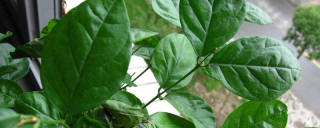
When you give us too much water, our distress signals are often mistaken for something else. The first sign is yellowing leaves. This is not the uniform yellow of aging; it often starts with the older, lower leaves turning a pale, sickly yellow. Simultaneously, the new growth may appear stunted or wilted, even though the soil is wet. This is a critical point of confusion – we wilt from overwatering because our rotting, suffocated roots can no longer absorb any water. The most damning evidence is the condition of our roots and leaves. If you were to gently examine our root ball, you would find it brown, mushy, and emitting a foul, rotten smell. Above the soil, the leaves may develop soft, dark brown or black spots, and they will feel soft and limp, not crisp. The entire plant will have a heavy, sodden appearance.
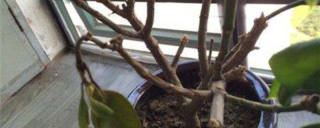
Our cries for water are typically more dramatic and obvious. The most immediate sign is wilting. Our leaves and stems will droop pathetically, losing their rigid structure as our cells deflate. This is our most urgent signal. If the thirst continues, the wilting becomes permanent. The leaves will not recover after watering and will instead turn dry, brittle, and crispy. They will often start browning at the tips and edges, a scorch that slowly spreads inward. The soil will pull away from the edges of the pot, and the entire plant will look lifeless and dry. Our growth will halt completely; you will see no new vines or leaves because all our energy is devoted to survival. The flowers, our pride and joy, will either fail to form or will drop prematurely as we abort these energy-intensive projects to conserve what little moisture we have.
You cannot rely on a schedule to water us. The need for water changes with the light, temperature, and humidity of our environment. The only way to know what we need is to touch our world. Push your finger about two inches into the soil. If the soil feels cold, wet, and clings to your finger, we do not need water; we need air. If the soil feels dry, crumbly, and your finger comes out clean, then we are thirsty. The weight of the pot is another excellent indicator. A waterlogged pot is surprisingly heavy, while a dry pot is very light. Learning this language of touch is the greatest gift you can give us. It allows you to respond to our actual needs, not a predetermined calendar date, ensuring our roots remain healthy, white, and firm, ready to support lush green growth and fragrant blooms.