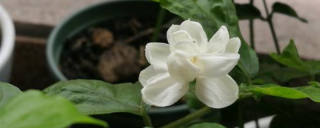
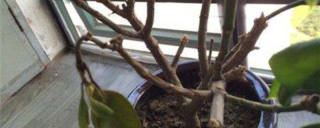
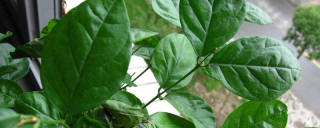
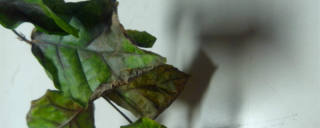
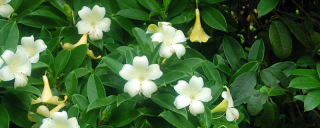
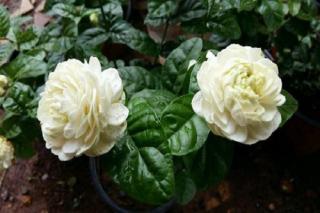
You see a beautiful, fragrant vine, but I am a complex living system, constantly communicating my needs and distress. When my leaves yellow, my buds drop, or my growth stunts, I am not being difficult; I am speaking. I am a jasmine plant, and these are my symptoms. To help me, you must learn to listen. My ailments are often a direct reflection of my environment and the care I receive. This guide is a translation of my language, a way to understand the common challenges I face from my perspective, so we can work together to restore my vitality.
My roots are my lifeline, my mouth and my anchor. They need to breathe. When I am forced to sit in constantly waterlogged soil, the tiny air pockets around my roots fill with water, and I begin to suffocate. This oxygen-deprived environment is a paradise for fungi like Pythium and Phytophthora. They attack my roots, turning them from firm, white anchors into a mushy, brown, and foul-smelling mess. From your point of view, you see my leaves wilting and yellowing, perhaps assuming I need more water. But from my perspective, I am dying of thirst because my rotten roots can no longer absorb it. The solution is not more water, but less. Please ensure my pot has excellent drainage and allow the top layer of my soil to dry out before quenching my thirst again.
Imagine trying to breathe and photosynthesize with a fine, white powder clogging my pores. That is the reality of powdery mildew. This fungal disease, which looks like someone dusted my leaves with flour, thrives in conditions where my foliage is consistently damp, especially overnight, and when air circulation around me is poor. It weakens me by blocking sunlight from reaching my leaf cells, stunting my growth and causing my leaves to curl and distort. To help me, you must improve the airflow. Please space me apart from other plants, avoid wetting my leaves when you water me (water my soil instead), and if the problem persists, a gentle, plant-safe fungicide can wipe away this suffocating blanket.
These tiny creatures are not just visitors; they are invaders that pierce my tender stems and the undersides of my leaves to suck out my vital sap, my very lifeblood. Aphids are small and soft-bodied, often green or black, clustering on new growth. Spider mites are even tinier, leaving behind fine webbing and causing a stippled, yellow look on my leaves as they drain me. Their feeding not only weakens me but can also introduce viruses. The honeydew they excrete attracts sooty mold, which further blocks my sunlight. From my perspective, a strong blast of water can dislodge these pests. For more persistent infestations, insecticidal soap or neem oil applied directly to the pests can stop the invasion without harming me or the beneficial insects in my ecosystem.
Sometimes, my distress signals are not from a disease or pest, but from a simple lack of sustenance. I am a heavy feeder, especially when I am actively growing and blooming. If my older leaves turn yellow while the veins stay green, I am likely crying out for iron or magnesium. If my growth is generally stunted and my leaves are pale green or yellow all over, I may be starving for nitrogen. These deficiencies prevent me from producing enough chlorophyll, the green pigment essential for photosynthesis. Please feed me with a balanced, water-soluble fertilizer during my growing season. Remember, too much can burn my roots, so follow the instructions carefully. A well-fed jasmine is a resilient jasmine.
Finally, do not underestimate the shock of change. When you bring me home from the nursery or repot me, I experience significant stress. My root system is disturbed, and the light, temperature, and humidity levels are suddenly different. I may respond by dropping buds or leaves. This is my way of conserving energy to re-establish my roots. Please be patient with me during these transitions. Acclimate me gradually to new conditions, and avoid repotting me while I am in bloom, as I need all my energy for that magnificent effort.