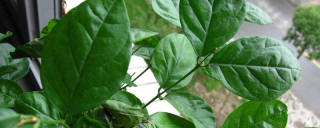
From a botanical perspective, the fundamental difference lies in their taxonomy and resulting growth patterns. Arabian Jasmine (Jasminum sambac) is a true jasmine, a species of shrub that can exhibit a somewhat vining habit but is primarily grown as a dense, bushy plant. It tends to have a more structured form. In contrast, Confederate Jasmine (Trachelospermum jasminoides) is not a true jasmine at all; it belongs to the Apocynaceae (dogbane) family. It is a vigorous, woody-stemmed, evergreen twining vine that relies on external support to climb. This difference in fundamental growth habit dictates their primary use in the landscape: one as a shrub or container specimen, the other as a ground cover or climbing vine.
Our tolerance for temperature varies significantly. As a tropical plant, Arabian Jasmine thrives in consistently warm conditions (USDA zones 9-12) and is highly sensitive to frost. Prolonged exposure to temperatures below 40°F (4°C) can cause severe damage or kill the plant. It demands a frost-free environment. Confederate Jasmine, on the other hand, is considerably more cold-hardy (USDA zones 7-10). It can withstand winter temperatures down to about 10°F (-12°C) and will often retain its leathery leaves, though they may develop a bronze-purple cast in cold weather. This makes it a viable perennial choice for many temperate gardens where Arabian Jasmine would need to be grown in a container and brought indoors for winter.
Our ideal light conditions for flowering differ. Arabian Jasmine performs best with full sun to partial shade. To produce its intensely fragrant, waxy white flowers most prolifically, it requires a minimum of 4-6 hours of direct sunlight per day. In very hot climates, some afternoon shade is beneficial to prevent leaf scorch. Confederate Jasmine is more adaptable to varying light conditions. It flowers well in full sun but is also remarkably tolerant of partial and even full shade, though blooming will be reduced in heavier shade. Its primary requirement is protection from the harsh, hot afternoon sun in southern climates, which can bleach its leaves.
Our root systems have distinct preferences for moisture and soil composition. Arabian Jasmine prefers consistently moist, well-draining soil that is rich in organic matter and tends toward acidity. It is not drought-tolerant and will wilt quickly if the soil dries out. However, it is also sensitive to waterlogged conditions. A regular feeding schedule with an acid-forming fertilizer supports its vigorous growth and flowering. Confederate Jasmine is more drought-tolerant once established. It prefers well-draining soil but is generally adaptable to a wider range of soil types, including clay, as long as drainage is adequate. It is not as demanding regarding soil acidity and has moderate nutritional needs, requiring only a balanced fertilizer in spring to support its growth.
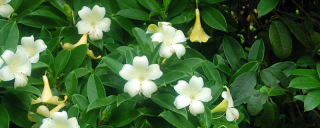
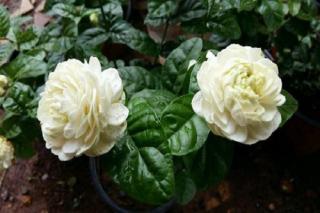
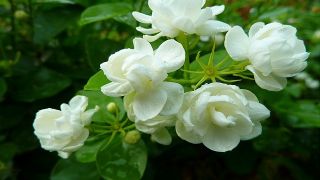
The nature of our blooms is a key differentiator. Arabian Jasmine flowers are typically pure white, waxy, and can be single or double-petaled. They are renowned for an intensely sweet, heavy fragrance that is most potent in the evening and early morning. The flowers are often harvested for use in teas and leis. Confederate Jasmine produces clusters of pinwheel-shaped, five-petaled flowers that are white or creamy-white. Its fragrance is also sweet and powerful, but it is often described as lighter or more honey-like compared to the profound, exotic scent of Arabian Jasmine. The flowering period also differs, with Confederate Jasmine typically putting on a spectacular display in late spring to early summer, while Arabian Jasmine can flower repeatedly throughout the warm growing season.