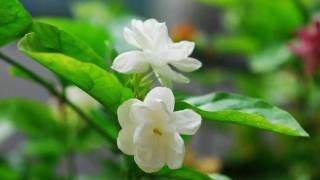
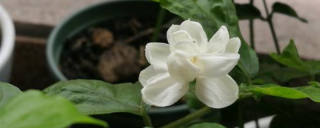
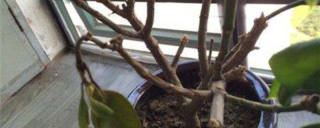
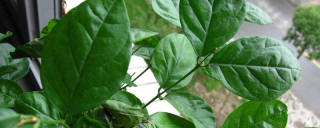
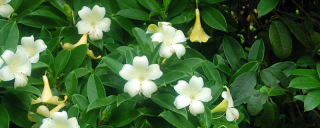
From my perspective as a jasmine plant, light is my primary source of energy, the very fuel that powers the complex process of creating flowers. When I am not flowering, the most likely reason is that I am not receiving enough of this vital resource. I am a sun-loving being at my core. To initiate and develop flower buds, I require several hours of direct, bright sunlight each day. If I am placed in a dim corner or behind a thick window filter, my survival instincts take over. I will direct all my energy into producing leaves to capture what little light is available, abandoning the energetically costly project of flowering. It is not a choice, but a necessity for my survival. Ensure I am positioned where I can bask in ample, direct light, and you will see me respond with the fragrant blooms you desire.
Flowering is an immense effort for me, requiring specific nutrients in the correct balance. If you feed me a fertilizer that is too high in nitrogen, you are essentially instructing me to focus exclusively on vegetative growth. Nitrogen promotes the lush, green leaves you admire, but it does so at the expense of flowers. I need a fertilizer that is higher in phosphorus (the middle number on the bottle) to encourage bud formation. However, too much fertilizer of any kind can be harmful, causing a buildup of salts in my soil that damages my roots and prevents me from absorbing water and nutrients effectively. Think of it as a balanced diet; I need the right kind of food at the right time to support the specific task of blooming.
Many of my jasmine varieties, particularly the common Jasminum polyanthum, require a period of cooler rest to set buds. This mimics our natural seasonal cycle. After a active growing season, I need a winter dormancy where temperatures drop significantly, ideally to around 40-50°F (4-10°C), and watering is reduced. This cooler, drier period is not a sign of neglect; it is a crucial environmental signal that tells my internal clock that it is time to prepare for the next flowering season. If I am kept constantly warm and well-watered year-round, I may continue to grow leaves but I will miss the cue to initiate blooms. Please, allow me this period of rest; it is essential for my reproductive cycle.
My root system is my anchor and my lifeline. Its condition is directly linked to my overall health and ability to flower. There are two potential issues here. First, I may be pot-bound, meaning my roots have completely filled the container. While a slight bit of crowding can sometimes encourage flowering, being severely root-bound stresses me. My roots become tangled and cannot efficiently take up water or nutrients, leaving me with insufficient resources to support blooms. Conversely, if my pot is far too large, I will channel all my energy into expanding my root system to fill the vast space of soil, again delaying flowering indefinitely. A pot that is just slightly larger than my root ball is ideal, allowing for healthy growth without excessive stress or diversion of energy.
Both underwatering and overwatering cause me significant stress, which inhibits flowering. Dry soil leaves me dehydrated and unable to sustain delicate bud development. Soggy, waterlogged soil, however, is even more dangerous as it suffocates my roots, leading to rot and a rapid decline in health. Consistent moisture is key. Furthermore, pruning at the wrong time can accidentally remove the very buds you are waiting for. I form my flower buds on new growth, but if you prune me too late in the season, you will cut off these nascent buds before they have a chance to mature. The best time to prune me is right after my main flowering flush has ended, which encourages bushier growth and gives me plenty of time to produce new branches that will bear next season's flowers.