For plant enthusiasts in the US, bringing the intoxicating fragrance and elegant blooms of jasmine indoors is a rewarding endeavor. However, not all jasmine species are equally suited to life as a houseplant. The key to success lies in selecting types that can adapt to the constraints of container living and the indoor environment. From a botanical perspective, the ideal candidates are typically vining shrubs that offer a degree of flexibility in their light and temperature requirements.
Often considered the premier jasmine for indoor cultivation, Jasminum polyanthum is a fast-growing, twining vine native to China and Burma. Its primary botanical advantage is its prolific blooming habit. In late winter to early spring, it produces massive clusters of pinkish-red buds that open into intensely fragrant, white, star-shaped flowers. This species is more tolerant of lower indoor light levels than many other jasmines, though it will bloom best with bright, indirect light. It appreciates a cool period (around 50-60°F) in the winter to initiate bud formation, making it well-suited to homes that are not kept excessively warm. Its vigorous growth requires a sturdy trellis or support for its vines to climb.
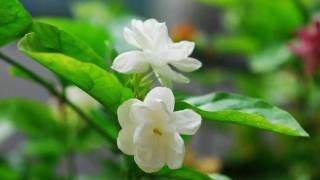
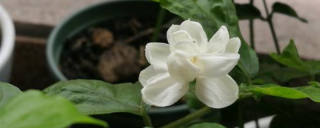
Jasminum sambac is a tropical evergreen shrub native to a broad region of Asia. Unlike the vining habit of Pink Jasmine, J. sambac tends to have a more shrub-like or loosely climbing growth form, which can be easier to manage in a container. Its most notable botanical feature is its flowers: waxy, white, and often double-petaled in popular cultivars like 'Grand Duke of Tuscany' or 'Maid of Orleans'. The fragrance is rich, sweet, and classic. This species requires consistently warm temperatures and high humidity to thrive indoors, making it a better choice for a sunny bathroom or kitchen or for growers willing to use a humidifier. It can bloom repeatedly throughout the year if given enough light.
While less common than the previous two, Jasminum nitidum is an excellent and underutilized houseplant choice. Native to the Admiralty Islands in the Pacific, its common name, Angel Wing Jasmine, comes from the unique shape of its petals, which are larger and more pronounced than other species, resembling wings. Botanically, it is prized for its glossy, dark green, lance-shaped leaves (the "nitidum" means shining) and its large, fragrant, pinwheel-shaped flowers that can appear intermittently all year long. It is a strong, twining vine that adapts well to container life and is generally more pest-resistant than other jasmines. It requires bright light to bloom reliably.
Jasminum officinale is the classic, hardy jasmine known for its pure white, intensely fragrant flowers. While it is extremely vigorous and cold-hardy outdoors in many US regions, it can be grown indoors with careful management. From a plant's perspective, its main challenge is its size and vigor; it is a deciduous climber that can quickly outgrow an indoor space without regular and assertive pruning. However, this same vigor makes it resilient. It requires a very sunny location, such as a south-facing window, and a large, heavy pot with a strong trellis. It is an excellent choice if you have the space and desire for a larger, statement plant that can be moved to a patio in the summer.