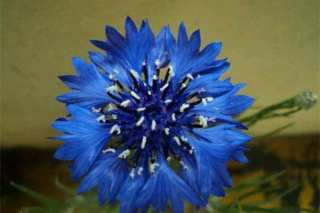
The primary distinction between annual and perennial cornflower varieties (centaurea cyanus and related species) lies in their fundamental life cycle strategy, a genetically programmed response to resource allocation and survival. Annual cornflowers complete their entire life cycle—from seed germination, vegetative growth, and flowering to seed production and death—within a single growing season. This "live fast" strategy requires rapid growth to capitalize on temporary favorable conditions. In contrast, perennial cornflowers live for three or more growing seasons. They invest energy not only in flowering and seeding but also in developing robust, overwintering structures like roots and crowns, ensuring their return year after year. This represents a long-term survival strategy focused on persistence.
This difference in life strategy is physically manifested in their root systems and overall plant architecture. Annual cornflowers typically possess a relatively shallow, fibrous root system sufficient to support their short-lived, fast-growing nature. Once flowering is complete and seeds are set, the entire plant, including the roots, senesces and dies. Perennial cornflowers, however, develop a much more substantial and complex root system. Many species form deep taproots or vigorous rhizomes (underground stems). These structures act as storage organs, accumulating carbohydrates and nutrients during the growing season to fuel regrowth from the crown or rhizome buds after winter dormancy or a period of stress. This robust underground system is the key to their longevity.
The reproductive timing and effort of these varieties differ significantly. Annual cornflowers are often obligate or profuse bloomers. Driven to reproduce within their single season, they frequently flower generously and for an extended period, from early summer until the first frost kills the plant. Their energy is directed almost entirely toward producing a large quantity of seeds to ensure the next generation's survival. Perennial cornflowers exhibit a more measured approach. Their first year is often dedicated to establishing a strong root system and vegetative growth, with limited or no flowering. In subsequent years, they flower profusely but typically within a more defined seasonal window (e.g., late spring to midsummer). After flowering, they may direct energy back to their root systems rather than continuous seed production, though many still produce viable seeds.
From an ecological perspective, these varieties occupy different niches. Annual cornflowers are classic ruderal species, excellently adapted to disturbed soils, open fields, and agricultural land. Their heavy seed production and ability to germinate quickly make them pioneers in new or disrupted habitats. They are often considered wildflowers or, in agricultural contexts, weeds. Perennial cornflowers are more characteristic of stable, established habitats like meadows, grasslands, and perennial borders. Their deep roots help them compete for water and nutrients and contribute to soil stabilization. They are less reliant on annual seed dispersal for population maintenance, instead spreading gradually through their root systems or by self-seeding over many years, forming enduring clumps.
The physiological response to seasonal changes, particularly cold, highlights a critical difference. Annual cornflowers are highly susceptible to frost. The arrival of freezing temperatures is a definitive endpoint, triggering the completion of their life cycle. They survive unfavorable conditions solely as dormant seeds in the soil seed bank. Perennial cornflowers have evolved mechanisms for cold tolerance. As temperatures drop and daylight shortens, they undergo physiological changes leading to dormancy. Above-ground growth dies back, but the protected crown and root system remain alive underground, entering a state of suspended animation until warmer temperatures and longer days signal the safe return of favorable conditions for renewed growth.