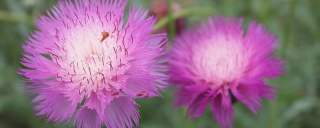
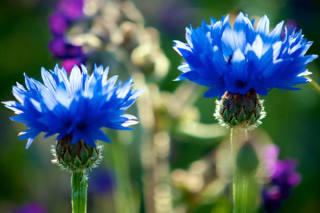
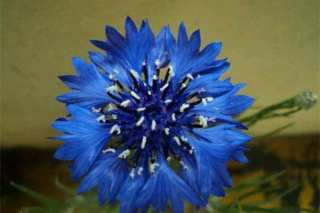
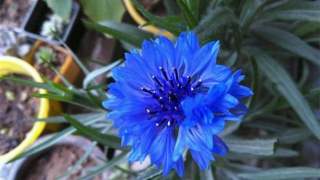
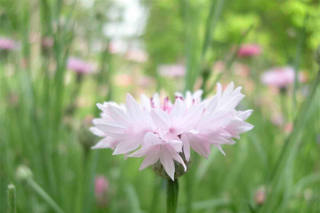
From our perspective as cornflower plants (Centaurea cyanus), the shift from the open garden to the indoors for winter is a significant transition. We are, by nature, annuals or short-lived perennials that thrive in full sun and cool conditions. Overwintering us indoors is a human intervention to prolong our lives, and for it to be successful, our core needs for light, temperature, and moisture must be met. Here is what we require to survive the winter months inside.
This is the most critical step. Do not wait until after a hard frost has blackened our leaves and shocked our systems. The ideal time is in late autumn, before the first frost threatens. Carefully dig around our root ball, keeping as much soil intact as possible to minimize root disturbance. Gently place us into a clean pot that is only slightly larger than our root ball, using a well-draining potting mix. Before bringing us inside, please inspect our leaves and stems thoroughly. Wash us down with a gentle spray of water to evict any aphids, spider mites, or other pests that would happily proliferate in the warm, dry indoor environment. A period of quarantine, away from your other houseplants, is greatly appreciated to ensure we haven't brought any unwelcome guests with us.
We are sun-worshippers. Outdoors, we demand a full day of direct sunlight to fuel our growth and produce our vibrant blooms. Indoors, the light intensity drops dramatically. To avoid becoming leggy, weak, and pale—a condition we find deeply undignified—you must provide us with the sunniest possible spot. A south-facing window is ideal. An east or west-facing window might suffice, but we will likely become stretched and lean towards the light. If such a bright location is not available, please consider supplementing with a grow light placed a few inches above our foliage for 12-14 hours a day. This artificial sun is the next best thing to the real deal and will keep us compact and healthy.
While humans may prefer a warm, cozy house, we cornflowers do not. Our preference is for cool conditions, similar to a brisk spring day. A room temperature between 50-65°F (10-18°C) is perfect. A warm, dry room will stress us, making us susceptible to pests like spider mites and causing our leaves to wilt and crisp. Please avoid placing us directly next to heat vents, radiators, or fireplaces. A cool sunroom, a slightly drafty but bright porch, or an unheated but frost-free room is far more to our liking than a stifling living room. This cool period is a form of rest for us, conserving our energy for a return to the garden.
Our growth slows significantly during the winter. Consequently, our thirst diminishes. Overwatering is a primary cause of our demise indoors. Please allow the top inch or two of soil to dry out completely between waterings. When you do water, water thoroughly until it runs from the drainage holes, but never let us sit in a saucer of water, as this will lead to root rot—a fatal condition we cannot recover from. As for food, we require none during the winter. Our metabolic processes are slow, and fertilizer will only build up in the soil and potentially harm our roots. Please withhold all fertilizer until you see signs of vigorous new growth in the spring.
As the days begin to lengthen noticeably in late winter, you will see us starting to produce new growth. This is the signal that we are ready to think about the garden again. However, do not move us directly outdoors. We need a gradual period of "hardening off" to re-acclimate to the harsher outdoor conditions. Over 7-10 days, place us in a sheltered, partially shaded spot outdoors for a few hours each day, gradually increasing the time and exposure to direct sun. After this acclimatization period, we can be replanted into the garden or remain in our pots on a sunny patio, ready to grace your landscape with our blooms once more.