Hello! I am a cornflower seed, a tiny, dry speck of potential nestled in your hand. My journey begins with you and water. Please, place me in a pot filled with a light, well-draining seed-starting mix. I don't need to be buried deep; a covering of about a quarter-inch of soil is perfect. It simulates the gentle blanket of earth I would naturally experience. Now, the most crucial part: a gentle but thorough watering. This moisture is my alarm clock. It penetrates my hard outer coat, signaling to the tiny embryo inside that it is time to wake up. I will absorb the water, swell, and initiate the miraculous process of germination. Keep my soil consistently moist but not waterlogged, and place me in a warm spot. In 7 to 14 days, you will see the first sign of my life—a small sprout breaking through the soil surface.
As my first true leaves emerge, I am now a vulnerable seedling. This is a critical time for me. I need abundant light to grow strong and not become "leggy," stretching weakly towards a dim light source. A sunny windowsill with at least 6-8 hours of direct sunlight is ideal. If natural light is limited, a grow light positioned close above me will work wonderfully. Please continue to water me carefully, aiming at the soil base to keep my delicate leaves dry and prevent disease. As I grow, you might notice my roots beginning to fill the small starter cell. When I have a few sets of true leaves, I will be ready for the next step.
If you started me indoors, I need to be gradually introduced to the outdoors, a process you call "hardening off." Over a week, please take my pot outside for a few more hours each day, exposing me to the direct sun, wind, and cooler temperatures. This toughens me up and prevents shock. Then, choose a permanent home for me in your garden with full sun. I am not fussy about soil; in fact, I thrive in average, even poor soil, as long as it drains well. Gently remove me from my pot, tease my roots apart slightly if they are tightly wound, and place me in a hole that accommodates my root ball. Space my fellow cornflowers about 12 inches apart so we have room to bush out. Firm the soil around my base and give me a good drink of water to help me settle in.
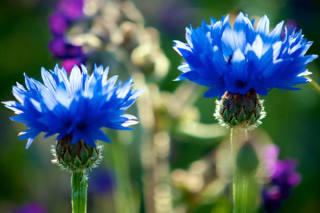
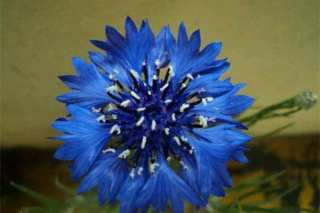
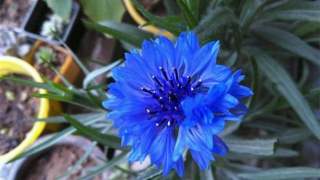
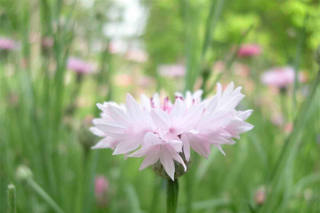
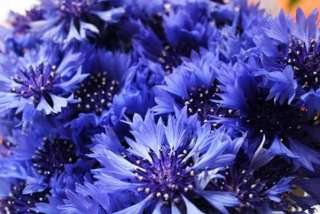
Once established in my sunny spot, I will focus my energy on growing tall and producing buds. I am a relatively low-maintenance plant. I prefer the soil to dry out slightly between waterings, so please avoid overwatering. I don't require rich fertilizer; too much nitrogen will only encourage leafy growth at the expense of my beautiful flowers. My goal is to produce vibrant blue, pink, white, or purple blooms that attract bees and butterflies. This is my purpose! As my flowers begin to fade, you can "deadhead" me by snipping off the spent blooms. This tells me to redirect my energy into producing more flowers instead of setting seed, prolonging my display of color throughout the summer.
Towards the end of the season, you can allow a few of my last flowers to mature and develop seeds. The petals will fall away, and the base of the flower head will turn brown and dry. You will see tufted seeds forming. You can cut these heads, dry them further indoors, and then shake the seeds into a paper bag. By saving these seeds, you hold the promise of future generations of cornflowers. Alternatively, if you leave the seed heads on my stalks, I may naturally drop seeds that will overwinter in the soil and sprout on their own the following spring, creating a delightful, self-sown patch for years to come. This is how my story continues, thanks to your care.