To answer this question correctly, we must first clarify the term "invasive." In a botanical and ecological context, an "invasive" plant is not simply one that spreads readily in a garden. It is a non-native (alien) species whose introduction does or is likely to cause economic or environmental harm or harm to human health. These species possess specific biological traits that allow them to establish, spread aggressively, and outcompete native flora, often leading to a reduction in biodiversity. A plant that is merely "aggressive" or "weedy" in a cultivated setting is not necessarily classified as ecologically invasive.
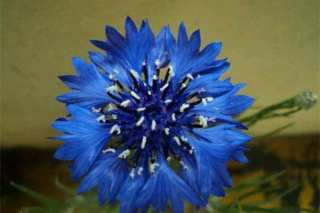
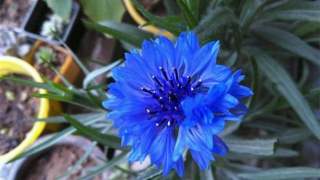
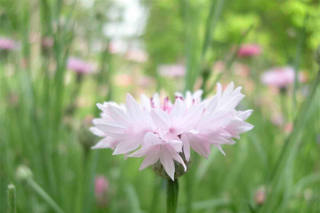
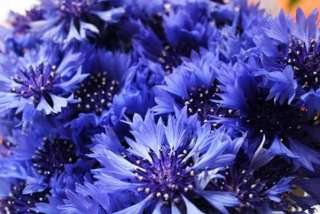
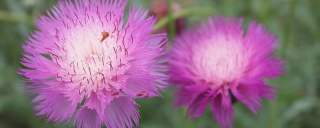
From a plant's point of view, the Cornflower, or Bachelor's Button, is an annual flowering plant native to Europe. Its life strategy is geared towards colonizing disturbed ground. It produces a large number of seeds—a single plant can generate up to 1,000 seeds. These seeds have a relatively high germination rate and can remain viable in the soil seed bank for 5-10 years, waiting for the right conditions to sprout. This is a classic adaptation for a ruderal species, one that thrives in areas like agricultural fields (hence the name "corn" flower, where "corn" referred to grain), roadsides, and other open, sunny habitats. Its growth habit is not rhizomatous or stoloniferous; it does not spread vegetatively via runners or roots. Its entire expansion mechanism is seed-based.
Officially, Cornflowers (Centaurea cyanus) are not listed on federal or state-level invasive species lists in the United States. They are not regulated as noxious weeds by the USDA. The reason for this lies in the mismatch between their biological capabilities and the definition of invasiveness. While Cornflowers are non-native and can naturalize (establish self-sustaining populations) in parts of the country, they rarely achieve the dominance required to displace native plant communities and cause significant ecological harm. They lack the competitive vigor in established ecosystems that characterizes true invasives like Kudzu or Purple Loosestrife.
Although not formally classified as invasive, the behavior of Cornflowers can vary by state and region. In states with climates similar to their native Mediterranean and European range, such as parts of California or the Pacific Northwest, they may naturalize more readily in disturbed areas, meadows, and along roadsides. In these localized settings, a gardener or land manager might perceive them as "weedy" because they self-seed prolifically. However, this localized abundance does not equate to an invasive threat on an ecological scale. They are typically outcompeted by perennial grasses and forbs in stable, undisturbed habitats. In many other states, particularly those with harsher winters or very different ecological regimes, Cornflowers often struggle to persist without human intervention and may only appear as casual escapes from cultivation.
A crucial point from a taxonomic perspective is that the Cornflower belongs to the genus Centaurea, which contains several notorious invasive species in the US. Spotted Knapweed (Centaurea stoebe) and Diffuse Knapweed (Centaurea diffusa) are prime examples. These species are perennial or biennial, produce allelopathic chemicals that inhibit the growth of other plants, and have taproots that make them highly drought-tolerant. Compared to these aggressive relatives, the Cornflower is a much less competitive annual with a different ecological strategy. This distinction highlights why a plant's specific biological traits, not just its genus, determine its invasive potential.