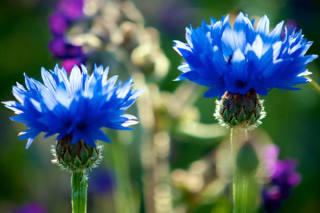
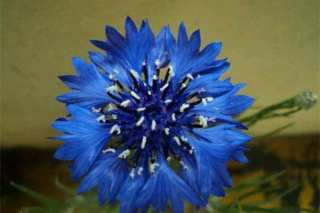
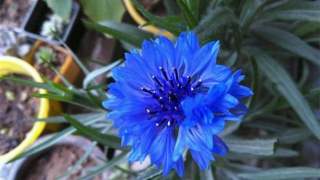
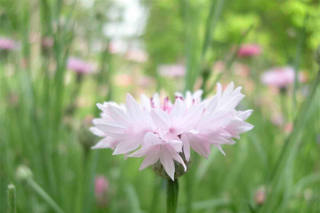
Cornflowers (Centaurea cyanus), with their vibrant blue blooms and easy-going nature, are excellent candidates for container gardening. When selecting companion plants, the goal is to create a harmonious mini-ecosystem that supports the cornflower's growth, health, and aesthetic appeal. The ideal companions will share similar cultural requirements and offer complementary benefits without competing excessively for resources.
Before selecting companions, it is crucial to understand the cornflower's own needs. Cornflowers thrive in full sun, requiring at least six hours of direct sunlight daily. They prefer well-draining soil and are relatively drought-tolerant once established, disliking constantly soggy conditions. In the confined space of a container, root competition becomes a significant factor. Therefore, companions must share these fundamental requirements for light, water, and soil moisture. Plants that require shade, constant moisture, or are heavy feeders will struggle alongside cornflowers and potentially cause them stress.
Companion planting can leverage natural plant relationships to deter pests and attract beneficial insects. Cornflowers themselves are excellent at attracting pollinators like bees and butterflies. To enhance this benefit and add a layer of pest protection, consider these companions:
Herbs: Aromatic herbs are superb companions. Calendula (Calendula officinalis) acts as a trap crop, luring aphids away from the cornflowers. Its bright orange and yellow flowers create a stunning color contrast. Lavender (Lavandula spp.) and Rosemary (Salvia rosmarinus) have strong scents that can deter a range of pests. Their preference for full sun and well-drained soil makes them a perfect cultural match. Nasturtiums (Tropaeolum majus) are another classic trap crop for aphids and their sprawling habit can provide a beautiful, colorful groundcover in a large container.
The upright, somewhat wiry stature of cornflowers provides an excellent opportunity to play with texture, height, and color in a container design. The goal is to create a "thriller, filler, spiller" effect.
Thriller (Vertical Element): The cornflower itself often acts as the thriller. However, for more height variation, consider adding a few stalks of Verbena bonariensis, which offers airy, purple flower clusters that float above the cornflowers without casting significant shade.
Filler (Mounding/Bushy Element): To fill the middle space, low-growing, mounding plants are ideal. Dusty Miller (Jacobaea maritima) provides spectacular silvery-gray foliage that makes the blue of the cornflowers pop. Salvia (Salvia nemorosa) varieties offer spiky flowers in complementary colors like purple, pink, or white and have similar growing needs.
Spiller (Trailing Element): To soften the container's edges, trailing plants are essential. Creeping Thyme (Thymus serpyllum) is a tough, sun-loving herb that will cascade over the side, releasing a lovely scent when brushed. Sweet Alyssum (Lobularia maritima) forms a low, honey-scented carpet of white or purple flowers that attracts beneficial insects.
It is equally important to know what not to plant with cornflowers. Avoid heavy-feeding plants like most vegetables (e.g., tomatoes, cucumbers) that will deplete soil nutrients quickly. Shade-loving plants such as impatiens or begonias will suffer in the full sun a cornflower requires. Plants that need consistently moist soil, like ferns or some types of mint, can lead to root rot for the cornflowers if the container is overwatered to accommodate them.