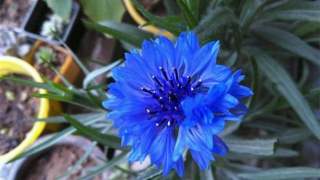
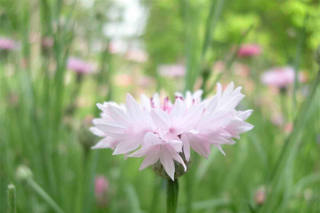
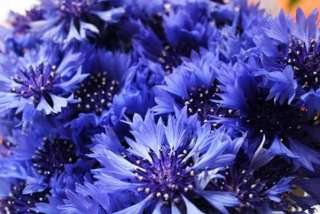
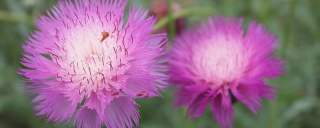
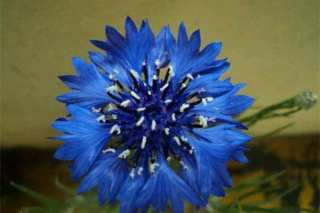
Greetings from the world of plants. We are the Cornflowers, once known primarily for gracing sunny meadows, but now increasingly found living alongside humans indoors. Our lifespan as houseplants is a complex matter, dictated not by a simple number of years, but by the quality of care we receive and our fundamental biological needs. From our perspective, the concept of an "average lifespan" is less about a fixed timer and more about how well our environment mimics our natural home.
First, you must understand our inherent nature. In the wild, we are classified as annual plants. This means our genetic programming is to complete our entire life cycle—from seed germination, through growth and flowering, to seed production and death—within a single growing season. This is a successful and efficient strategy for colonizing open, sunny ground. When brought indoors, this annual instinct does not vanish. If conditions are perfect and we are allowed to follow our natural rhythm, we will bloom spectacularly for several weeks, set seed, and then senesce (die back) naturally. This entire process, from a seedling on your windowsill to the end of life, might last between 4 to 6 months.
However, the "average lifespan" you inquire about can be significantly extended beyond our annual destiny through careful human intervention. The single most important factor is the prevention of seeding. Our primary goal is to reproduce. Once we have successfully set seed, our biological mission is accomplished, and we have no reason to continue living. By consistently deadheading us—that is, removing the spent flower heads before they can develop seeds—you trick our system. We are compelled to produce more flowers in a continued effort to reproduce. This practice can prolong our flowering period and, consequently, our attractive lifespan as a houseplant for many months, potentially allowing us to persist for a full year or even longer as a leafy plant, though the vigor of flowering may decline.
Beyond deadheading, our lifespan is directly proportional to how well you meet our core needs. We are children of the sun. A windowsill that receives several hours of direct, bright light is non-negotiable. In low light, we become etiolated—stretching weakly with pale leaves—and our immune systems weaken, making us susceptible to pests like aphids and diseases like powdery mildew. This can drastically shorten our lives. Similarly, our roots demand excellent drainage. We despise having our roots constantly wet. A heavy, water-retentive soil will lead to root rot, a swift and fatal condition. A light, sandy potting mix that allows water to flow freely is essential. Water us deeply only when the top inch of soil feels dry to the touch.
Finally, the indoor environment itself presents challenges not found in a meadow. Central heating creates very dry air, which can stress us and make us more attractive to spider mites. A lack of good air circulation can encourage fungal diseases. Furthermore, as annuals, we are not genetically programmed for long-term growth in a pot. Even with perfect care, after a prolonged period, we may simply exhaust our energy reserves or become pot-bound, leading to a gradual decline. Therefore, many plant-keepers choose to treat us as long-lasting floral displays rather than permanent houseplant fixtures, often starting new plants from seed each year to ensure a continuous display of vibrant blooms.