From our perspective as cornflowers (Centaurea cyanus), this is the most critical point to understand. Our entire life cycle, encoded in our genetics for generations, is programmed for a single, glorious season. We germinate, we grow, we flower, we set seed, and then we complete our life's purpose and die. This is the definition of an annual plant. Attempting to force us to live as perennials goes against our very biological clock. While you can create conditions that mimic a perpetual growing season indoors, you are essentially fighting our innate desire to reproduce and senesce. The energy you would spend trying to keep an individual plant alive for years is immense, and frankly, it's not a fight you are likely to win in the long term.
To even attempt this, you must replicate the conditions we need to survive year-round. Light is the greatest challenge. We are sun-worshippers, requiring a minimum of 6-8 hours of direct, bright light daily to thrive. A sunny south-facing window might suffice in summer, but during the shorter, dimmer days of winter, it will not be enough. Without supplemental, high-intensity grow lights running for 12-14 hours a day, we will become leggy, weak, and susceptible to disease as we desperately stretch for more light. Furthermore, true perennial plants often have a dormant period. You would be asking us to skip this natural cycle of rest and renewal, which places continuous stress on our physiological systems.
Our root systems are designed for the open ground. In a container indoors, our roots will eventually become pot-bound, circling the container and exhausting the available nutrients in the finite amount of soil. While you can prune our top growth, pruning roots is a delicate and stressful process for us. Even with regular repotting into progressively larger containers (which is impractical indoors) and a strict fertilizing schedule, the soil medium will degrade over time, and salts from fertilizers can build up, leading to root burn and overall decline. A perennial plant in the ground has an entire ecosystem to draw from; we in a pot have only what you provide, and it is never quite the same.
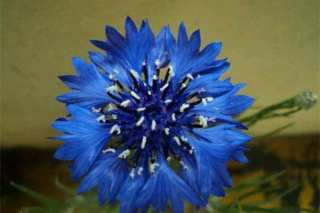
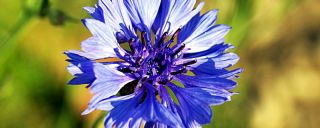
There is, however, a way to achieve the *effect* of having perennial cornflowers indoors, and it aligns perfectly with our natural instincts. Instead of trying to keep one plant alive forever, allow us to complete our life cycle. Let our beautiful blue flowers fade and form seed heads. Once the seeds are mature, you can harvest them and sow a new generation. Alternatively, if the container is large enough, you can simply let the seeds drop. With adequate light and water, these seeds will often germinate on their own, giving you a fresh batch of "volunteer" cornflower seedlings. This method of succession, where one generation follows another, is the closest you can come to a perennial display. It respects our biology and results in healthier, more vigorous plants, as young seedlings always have more vitality than a tired, older plant being forced to live beyond its years.
So, can you grow cornflowers as perennials indoors? From our point of view, the honest answer is no, not in the true sense. It is a horticultural challenge that works against our fundamental nature as annuals. The effort required to maintain an individual plant for multiple years is significant and often results in a subpar specimen. You will have a much more rewarding and successful experience by embracing our annual life cycle. Treat us as a beautiful, seasonal indoor plant, and then plan for our successors. By saving and sowing our seeds, you can enjoy our vibrant blooms year after year, creating a sustainable indoor cornflower presence that honors who we truly are.