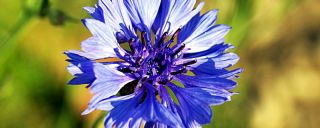
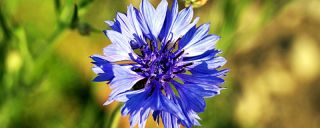
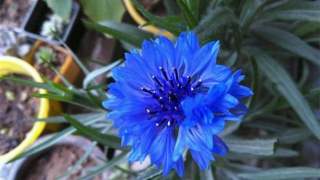
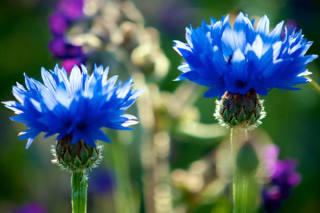
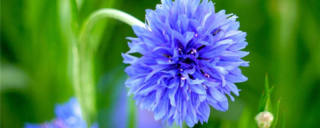
From the perspective of the Cornflower plant (*Centaurea cyanus*), thriving indoors presents a unique set of challenges. While protected from many outdoor variables, the controlled environment can create ideal conditions for specific pests and diseases that directly threaten our health and vitality. Understanding these adversaries is key to maintaining our vibrant blooms and foliage.
Our succulent stems and tender leaves are prime targets for insects that pierce and suck our vital fluids. The most common assailants are Aphids, Spider Mites, and Whiteflies. Aphids cluster on our new growth and flower buds, causing leaves to curl and distort. Their feeding weakens us and deposits a sticky residue called honeydew, which attracts sooty mold, further blocking sunlight from our leaves. Spider Mites are nearly invisible but inflict significant damage, weaving fine webs on the undersides of our leaves as they feed, leaving behind a stippled, yellowed appearance that can quickly lead to leaf drop. Whiteflies swarm when disturbed, and like aphids, their relentless feeding saps our strength and coats our foliage in honeydew. From our perspective, these pests are not just a nuisance; they are a direct drain on the energy we need for photosynthesis and flowering.
As plants, our relationship with water is critical. Too little and we wilt; too much and we succumb to fungal diseases. Indoor environments often suffer from poor air circulation, which allows moisture to linger on our leaves and in the soil, creating a breeding ground for fungi. Powdery Mildew is a frequent issue, appearing as a white, powdery coating on our leaves and stems. This fungus inhibits our ability to absorb sunlight, stunting our growth. Gray Mold (Botrytis) is another threat, especially in cool, damp conditions. It manifests as fuzzy gray mold on our flowers, buds, and leaves, causing them to rot and decay. Perhaps the most dangerous is Root Rot, caused by various soil-borne fungi like Pythium and Fusarium. This condition attacks our root system, the very foundation of our being. The roots turn brown and mushy, unable to take up water or nutrients, leading to a rapid and often fatal wilt, despite the soil being wet.
It is important to understand that pests and diseases often exploit us when we are already under stress. From our viewpoint, several indoor cultural practices can predispose us to problems. Overwatering is the primary cause of root rot, essentially drowning our roots and creating an anaerobic environment where harmful fungi thrive. Poor air circulation allows humid air to stagnate around our foliage, encouraging fungal spores to germinate. Insufficient light weakens us, making our tissues softer and more susceptible to pest infestations. Even the choice of pot is critical; a container without proper drainage holes traps excess water around our root zone. When we are weakened by these stresses, our natural defenses are compromised, and we become easy targets for the pests and pathogens that lurk in the indoor environment.