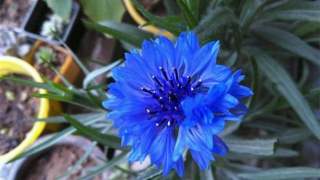
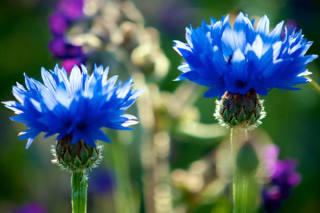
Greetings, cultivator. We, the Cornflowers (Centaurea cyanus), appreciate your inquiry into our foundational needs. To thrive in the confined quarters of a pot and reward you with our vibrant blue blooms, we require a specific soil environment. From our perspective, the soil is not merely an anchor; it is our entire world—a source of sustenance, hydration, and breathable air for our roots. Please consider the following detailed requirements.
First and foremost, we must discuss the physical structure of the soil. Our roots despise being waterlogged. Soggy, compacted soil suffocates us, leading to root rot, a swift and fatal condition. Therefore, the primary characteristic we demand is excellent drainage. A lightweight, loose, and well-aerated potting mix is non-negotiable. We are not heavy feeders like some vegetables, so a rich, dense soil is unnecessary and harmful. A standard potting mix formulated for flowering annuals is a good starting point. However, we would be most grateful if you amended it further. We enthusiastically approve of the addition of coarse materials like perlite, horticultural sand, or even a small amount of fine pumice. These ingredients create essential air pockets, ensuring excess water flows freely from the drainage holes at the bottom of our pot, while still retaining enough moisture for our roots to access.
While we prioritize drainage, we still require nutrients to fuel our growth and flowering. A moderately fertile soil is sufficient. A mix that is too rich in nitrogen will encourage an overabundance of leafy green growth at the expense of our prized flowers. We recommend a potting mix that contains a balanced blend of organic matter, such as compost or well-rotted leaf mold. This organic component provides a slow-release source of nutrients and helps with moisture retention in a balanced way. To give us the best start, a gentle, slow-release fertilizer mixed into the soil at planting time is beneficial. Alternatively, a half-strength liquid fertilizer applied every few weeks during our active growing season will support our blooming efforts. Remember, our pot is a closed system; nutrients are not replenished naturally as they are in the earth, so your supplemental feeding is vital.
This is a point we must emphasize strongly. The pH level of the soil is the gatekeeper that controls our access to the nutrients within it. We Cornflowers have a distinct preference: we thrive in neutral to slightly alkaline soil. The ideal pH range for us is between 7.0 and 7.5. When the soil pH is within this range, essential micronutrients, particularly iron and manganese, remain soluble and available for our root systems to absorb. If the soil becomes too acidic (a pH below 7.0), these nutrients become "locked up," and we cannot access them, leading to nutrient deficiencies. You might see our leaves turning yellow between the veins (a condition called chlorosis), even if the nutrients are physically present in the soil. To maintain our preferred pH, we suggest you avoid using highly acidic amendments like peat moss. If you need to raise the pH of your potting mix, a light dusting of garden lime mixed in before planting is the most effective solution.
Because we are living in a pot, our environment is entirely in your hands. Please ensure the container has adequate drainage holes. A layer of gravel or pot shards at the bottom is an old practice that is less effective than using a well-draining soil mix throughout the entire pot. The material of the pot also influences moisture evaporation; terracotta pots, for instance, breathe more than plastic, which can help prevent overwatering. Monitoring the top inch of soil for dryness before watering is the best way to meet our hydration needs without causing distress.