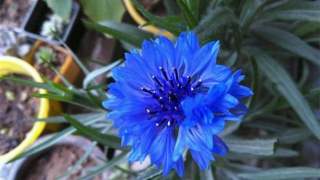
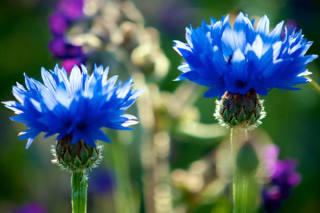
From our perspective as Cornflower plants (Centaurea cyanus), we wish to share the secrets to successfully raising our next generation from the comfort of your indoor spaces. We are not overly demanding, but following our natural rhythms will ensure strong, vibrant seedlings ready to flourish in your garden.
Timing is everything. We are annuals, meaning our entire life cycle—from seed to flower to seed again—completes in one growing season. To get a head start, you must sow our seeds indoors at a time that mimics the end of our natural winter dormancy. This is typically 6 to 8 weeks before your region's last expected spring frost. Planting us too early will make us leggy and weak as we strain for light in the diminishing days of winter; planting us too late defeats the purpose of an early start. Consult your local frost dates and count backwards. This gives us just enough time to develop robust root systems and true leaves before our transition outdoors.
We despise having our delicate new roots disturbed. Therefore, we strongly prefer to be sown in biodegradable pots, such as those made from peat or cow manure, or in deep cell trays. These containers can be planted directly into the soil later, minimizing root shock. As for our bedding, we require a light and well-draining medium. A sterile, soilless seed-starting mix is ideal. It holds just enough moisture without becoming waterlogged, which would cause our seeds to rot before we even have a chance to sprout. Please avoid using heavy garden soil, as it compacts easily and may harbor fungi that are harmful to us in our vulnerable state.
We are not tiny seeds, but we are not large either. We require darkness to germinate successfully. Sow us about 1/4 inch deep into the pre-moistened growing medium. You can place 2-3 of us per cell or pot. Gently cover us with the soil mix and press down lightly to ensure we have good contact with the moisture. This contact is crucial for triggering the biochemical processes that tell us it is time to wake up. After sowing, you can water us gently from above, but a better method is to place our containers in a shallow tray of water and allow the medium to wick moisture upwards from the bottom. This keeps our position stable and prevents us from being displaced.
To break our dormancy, we need consistent warmth and moisture. Cover our containers with a clear plastic dome or a plastic bag to create a miniature greenhouse. This locks in humidity, ensuring we do not dry out. Place us in a warm location; the top of a refrigerator or a seedling heat mat set to around 65-70°F (18-21°C) is perfect. We do not need light at this stage—our focus is underground. In about 7 to 14 days, you will see our cotyledons (seed leaves) emerge. The moment this happens, immediately remove the plastic cover and move us to the next critical phase.
Now that we have emerged, light is our most urgent need. We must have a very bright source to grow strong and avoid becoming spindly. A south-facing window might suffice, but a grow light positioned just a few inches above our leaves is far superior. Keep the light on for 12-16 hours a day. Water us carefully when the top of the soil feels dry, still preferring the bottom-watering method to keep our stems dry and prevent damping-off disease. Once we have developed our first set of true leaves (the ones that look like miniature cornflower leaves), you can begin to feed us. Use a very diluted, balanced liquid fertilizer every two weeks to support our growth until we are ready for the great outdoors.