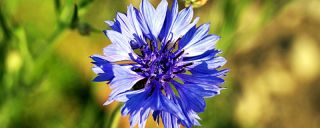
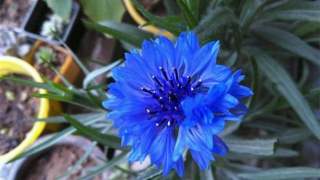
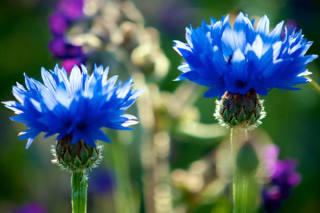
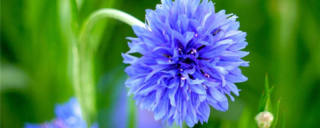
The Cornflower, scientifically known as Centaurea cyanus, is an annual flowering plant belonging to the Asteraceae family, which also includes daisies, sunflowers, and chrysanthemums. It is characterized by its vibrant blue, thistle-like flower heads and slender, grey-green stems. Historically, it was a common sight in European cornfields, hence its common name. It is also widely known as Bachelor's Button. From a botanical perspective, the plant is not known for producing potent toxins or alkaloids that are severely harmful to mammals, unlike some of its relatives in the plant kingdom. Its primary defense mechanisms are physical, such as its somewhat wiry stem, rather than chemical.
When assessing the potential toxicity of a plant to pets, it is crucial to examine its chemical composition. Cornflowers are not listed by the American Society for the Prevention of Cruelty to Animals (ASPCA) or other major animal poison control centers as a toxic plant for cats or dogs. The plant does not contain known serious toxins such as cardiac glycosides (found in Foxglove), lycorine (found in Amaryllis), or insoluble calcium oxalate crystals (found in Peace Lilies). However, it is a member of the Asteraceae family. Some plants in this family can contain sesquiterpene lactones, compounds that can cause mild skin irritation or gastrointestinal upset if ingested in large quantities. The concentration of these compounds in Cornflowers is considered very low and not a significant threat.
While Cornflowers are not classified as poisonous, they are not intended for consumption by cats or dogs. The primary risk associated with a pet ingesting any non-food plant, including Bachelor's Buttons, is mechanical and digestive. The plant's fibrous material can be difficult for an animal's digestive system to process. Ingesting a large amount of the plant matter could lead to mild gastrointestinal upset. Symptoms might include vomiting, diarrhea, or drooling. These are not signs of poisoning per se, but rather the body's natural response to expel or react to an irritant or an unusual substance. The risk is similar to a pet eating too much grass.
Cats are obligate carnivores with particularly sensitive digestive systems. They may be more prone to gastrointestinal distress from ingesting plant material than dogs. Furthermore, the texture of the flower or leaves might tempt a cat to chew, possibly leading to the mild symptoms described above. It is also important to consider the source of the plant. Cornflowers from a florist or garden center may have been treated with pesticides, herbicides, or chemical fertilizers that are toxic to pets. Therefore, the greater danger may not be the plant itself, but the chemicals on it. Ensuring that any Cornflowers accessible to a cat are organically grown is an important precaution.
Based on the botanical profile and chemical analysis, Cornflowers are considered a pet-safe plant. However, "safe" is not synonymous with "edible." The best practice for pet owners is to prevent pets from chewing on any houseplants or garden plants as a general rule. If a dog or cat ingests a small part of a Cornflower, it is unlikely to cause more than a temporary, mild stomach issue. Monitoring the pet for any signs of discomfort is advisable. If a pet consumes a large quantity of the plant, or if symptoms like vomiting or diarrhea are severe or persistent, it is always recommended to contact a veterinarian immediately. Providing the veterinarian with the plant's scientific name, Centaurea cyanus, will help them give the most accurate advice.