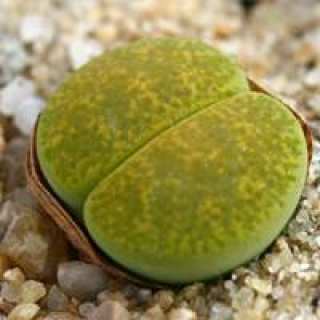
Before seeking a purchase, it is crucial to understand the unique biology of Lithops. These are not typical succulents; they are highly specialized mimicry plants native to the arid, rocky deserts of southern Africa. Their entire structure is an adaptation for survival. The plant body consists of two fused, succulent leaves with a fissure between them. This pair of leaves forms a single "body" designed to resemble the surrounding pebbles, a camouflage that protects them from herbivores. They have a very shallow root system and are extremely susceptible to overwatering. Their growth cycle is also distinct, involving a period of summer dormancy and the emergence of new leaves from the fissure, which absorb moisture from the old leaves. Purchasing from a seller who understands this cycle is vital, as plants shipped during active growth or flowering (typically in the fall) will establish more successfully than those shipped during their sensitive dormancy or leaf-splitting period.
The most reliable sources for authentic and healthy Lithops are online nurseries that specialize in succulents and cacti. These businesses are typically run by enthusiasts and experts who understand the specific needs of these plants. They often grow their own stock or source from reputable domestic growers, which reduces the stress of long-distance international shipping. When you buy from a specialist, you are not just buying a plant; you are buying from someone who has likely nurtured it correctly from seed or offset. Their websites will usually provide detailed care instructions specific to Lithops, and their customer service teams can answer questions about soil composition (which must be very gritty and fast-draining) and watering schedules. This level of expertise is your best guarantee of receiving a plant that is correctly identified, pest-free, and acclimated to cultivation.
Beyond dedicated nurseries, online marketplaces that host individual sellers, such as Etsy, can be excellent sources. Here, you can often find a wider variety of species and cultivars, including rarer types. The key is to meticulously vet the seller. Look for vendors with consistently high ratings and positive reviews that specifically mention the health of the plants upon arrival, the quality of the packaging, and the accuracy of the plant's identification. Read the product descriptions carefully; reputable sellers will provide clear photos of the exact plant or batch, information on the plant's size and age, and details about their shipping practices. Be wary of sellers using only generic stock photos or offering plants at prices that seem too good to be true, as these can be signs of misidentified or poorly cultivated specimens.
When your Lithops arrives, its condition will speak volumes about the seller. A reputable source will ship the plant bare-root, which is safer for the roots and prevents rot during transit. The plant should be firm and show no signs of mushy spots, which indicate rot, or excessive wrinkling, which can signal severe dehydration. The coloration should be natural, not artificially enhanced. It is normal for a shipped plant to be slightly stressed and may need a period of acclimation upon arrival. Place it in bright, indirect light initially and wait at least a week before watering to allow the roots to settle. This gives the plant time to recover from the journey and reduces the risk of root rot. A good seller will include acclimation instructions with the shipment.