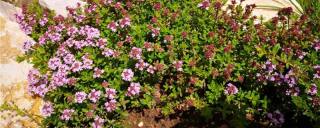
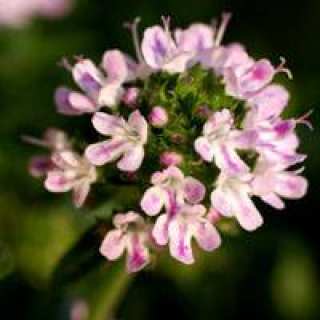
From my perspective as a potted thyme plant, my lifespan is a dance between my inherent genetic programming and the environment you provide. In the wild, we thyme plants are perennial woody herbs, meaning we can live for several years. In a container, my potential lifespan is typically 3 to 5 years, though this can vary greatly. My life is a cycle of growth, dormancy, and renewal. To understand how to extend my vitality, you must see the world through my roots and leaves.
My entire existence is anchored in the world you create for my roots. I crave a well-draining home; soggy, waterlogged soil is a death sentence, suffocating my roots and inviting fatal rot. A terracotta pot is ideal because it breathes, allowing excess moisture to evaporate. The soil mixture is my lifeblood—a gritty, sandy, lean mix that mimics the rocky Mediterranean hillsides of my ancestry. This prevents water from pooling around my crown and provides the perfect balance of moisture and air. Furthermore, I become root-bound over time. After a year or two, my roots will have filled the pot, exhausting the available nutrients and space. To significantly extend my life, repot me into a slightly larger container with fresh, well-draining soil every 2-3 years. This gives my roots a new territory to explore and revitalizes me.
My lifespan is directly fueled by the energy I create. I am a sun-loving organism. I require a minimum of six to eight hours of direct, bright sunlight daily through your window. Without this, I become etiolated—stretching weakly for light—and my growth becomes sparse and unhealthy, shortening my overall vitality. When it comes to water, my needs are simple: deep but infrequent drinks. Please only water me when the top inch of my soil feels completely dry to the touch. Then, water thoroughly until it runs from the drainage holes. This encourages my roots to grow deep and strong. I am adapted to poor soils, so I need very little fertilizer. A half-strength, balanced organic feed applied once in the early spring is more than enough. Too much fertilizer promotes soft, weak growth that lacks flavor and is susceptible to disease.
My natural rhythm includes a period of winter dormancy. During cooler months with less light, my growth will slow considerably. This is not a sign of dying but of resting. Reduce watering during this time to match my slowed metabolism. The single most important practice for extending my life is regular, mindful harvesting and pruning. Do not just pluck my leaves from the top. Instead, use sharp scissors to snip stems, always cutting just above a set of leaves or a node. This encourages me to bush out from that point, preventing me from becoming leggy and woody. Never cut into the old, hard, woody parts of my stem, as I may not regenerate from there. Regular pruning throughout the growing season prevents me from becoming straggly and directs my energy into producing fresh, tender growth, keeping me youthful and productive for years.