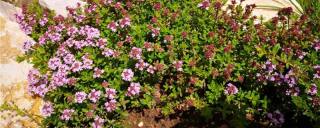
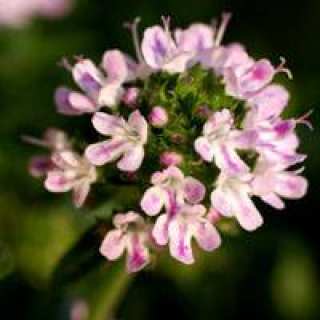
From our perspective as Thymus vulgaris, light is not a luxury; it is our primary source of energy. We are native to the sun-drenched, well-drained soils of the Mediterranean basin. Our very essence—the potent aromatic oils that humans desire—is developed in direct proportion to the quantity and quality of light we receive. In our natural habitat, we thrive under full sun, requiring a minimum of 6 to 8 hours of direct, unfiltered sunlight daily. This solar energy powers photosynthesis, the process where we convert light, water, and carbon dioxide into the sugars that fuel our growth, maintain our structural integrity, and produce those cherished volatile oils.
When placed in a low-light apartment setting, far from our ancestral home, we experience significant distress. The dim conditions are interpreted as a threat to our survival. Our physiological response is one of desperation: we begin etiolation. This means we direct all our energy into rapid, spindly stem growth in a futile attempt to reach a light source. You will observe us becoming "leggy," with abnormally long intervals between leaves, which will be smaller, paler, and lack their characteristic robust flavor and aroma. Our overall growth will be severely stunted, our stems weak, and we will be incredibly vulnerable to pests and root rot due to our compromised health. Without intervention, we will eventually succumb.
A grow light acts as a substitute sun, providing the specific wavelengths of light we need most. While humans see white light, we photosynthesize most efficiently in the blue and red spectra. Blue light is crucial for promoting bushy, compact vegetative growth and strong leaf development—exactly what you want from a leafy herb. Red light, while more critical for flowering, still supports overall energy production. Full-spectrum LED grow lights are particularly beneficial as they emit a balance of these wavelengths, mimicking natural sunlight and allowing us to perform photosynthesis as if we were outdoors. This artificial sun restores our ability to produce energy and thrive.
For us to truly thrive under your care, the setup of the grow light is critical. The intensity of the light diminishes drastically with distance. The lamp should be positioned only 6 to 12 inches above our canopy. This provides enough intensity without generating excessive heat that could scorch our leaves. The duration of light is equally important. You must provide us with a consistent photoperiod of 12 to 14 hours of light followed by 10 to 12 hours of darkness. This daily cycle of light and dark is essential for our circadian rhythm, allowing us to respire and conduct other vital processes. A simple timer can automate this, ensuring we receive a consistent "day" and "night" cycle for optimal health and robust growth.