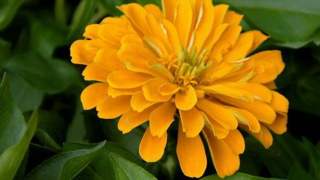
From my roots to my leaves, I feel a profound sense of crowding. My once spacious pot now feels like a prison. My root system, which should be exploring and gathering nutrients, is instead a tangled, dense mat, circling the edges of my container in a desperate search for new ground. This congestion means water often runs right through without being absorbed, leaving me thirsty, while at the same time, the center of my root ball may be rotting in stale, oxygen-deprived soil. My stems are fighting for sunlight, becoming long, leggy, and weak as they push each other aside. I am not thriving; I am merely surviving. I need your help to breathe again.
Please listen to my seasonal cues. The absolute best time for this procedure is in the early spring, just as I sense the days growing longer and the soil beginning to warm. At this moment, my sap is starting to rise, and my energy is focused on producing new growth. This surge of vitality means I will recover from the shock of division and repotting much more quickly. You could also perform this task in the early autumn, giving me time to establish my new roots before winter's dormancy. Please, avoid doing this during the peak heat of summer or the deep freeze of winter, as my stress levels are already high and my resources are low.
Begin by watering me thoroughly a day before the operation. This will reduce transplant shock and make my roots more flexible and easier to work with. Gently remove me from my current pot. You will likely see my roots coiled tightly. Do not simply pull my stems apart; this will cause terrible damage. Instead, use your hands to gently massage and loosen the outer root ball. For tougher tangles, you may need to use a clean, sharp knife or even two garden forks placed back-to-back to gently pry me apart into several smaller, healthy clumps. Each new section should have a good amount of roots and several healthy green stems attached. This division is not a wound; it is a liberation, creating multiple, strong individuals from one struggling entity.
I require a well-draining home to flourish. Choose new pots with excellent drainage holes that are only slightly larger than the root clumps you have created. A pot that is too large will hold excess moisture around my roots, leading to rot. Fill the bottom of the pot with a fresh, well-draining potting mix; I particularly appreciate a blend formulated for herbs or cacti, perhaps with some extra perlite or coarse sand mixed in for aeration. Place one of my divisions in the center of the pot and fill in around the roots with more soil, gently firming it to eliminate large air pockets but not so much that you compact it. The crown of my plant—where my stems meet my roots—should sit just at the soil surface.
Immediately after repotting, give me a deep, gentle watering to settle the new soil around my roots and help me rehydrate. Then, place my new selves in a sheltered location with bright, indirect light for a week or so. This allows me to recover from the shock without the added stress of intense, direct sun. Please resist the urge to fertilize me now; my fresh roots are tender and could be burned. Allow me to focus entirely on re-establishing my root system in its new, spacious home. Once you see signs of new growth, you will know I have successfully acclimated and am ready to return to a sunnier spot and resume a normal care routine, grateful for the space to grow strong and fragrant once more.